




Hidden Dangers: Why Window Film is a Risk?
Darkening a window with cheap "sun protection" films or amateur materials is a solution that can bring more harm than good.
- The most important argument against films mounted directly on glass is the phenomenon of uneven surface heating.
- This applies primarily to unsuitable types of film or incomplete coverage of the glass surface with them.
Such a layer absorbs or reflects radiation in specific areas, creating significant thermal stresses between the center of the pane and its edges, hidden within the profile.
What Cannot Be Seen with the Naked Eye
The result is often spontaneous cracking of panes and the formation of micro-damages to the glass, invisible to the naked eye in the initial stage. Unfortunately, even after removing the film (e.g., for winter), we cannot always reverse this process.
Importantly, cracks caused by applying film on your own usually result in the loss of the window manufacturer's warranty! Modern multi-pane units are perfectly balanced systems of gases and coatings – and disturbing such a system with non-factory film significantly changes the distribution of stresses and temperatures.

External Shading Systems: Comfort, Control, and Safety
Many investors believe that it is too late to install professional shading systems once a building has already been put into use or occupied for a longer period of time. However, it is important to emphasize that this is a common misconception.
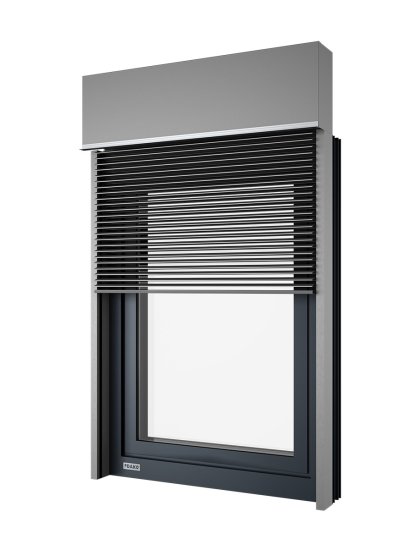
DAKO offers a wide range of external shading solutions designed specifically for renovation and refurbishment projects. These systems do not require prior consideration in the architectural design and, in many cases, can be installed without any modifications to the lintel. Available options include:
- external roller shutters, such as top-mounted or façade-mounted systems,
- external venetian blinds, such as self-supporting or top-mounted systems.

Glazing technologies: active protection built into the package
If you are renovating your home or replacing your windows and doors, dedicated specialist glazing can also be a valuable alternative to window films, helping to maintain thermal comfort indoors.
- Selective glass (Solar Control): this type of glazing allows natural light to enter while blocking excess solar energy (heat) on sunny days, reducing the need for air conditioning.
- Low-emissivity glass (Low-E): it features a special low-radiation coating that reflects excess solar energy outward. In winter, it acts like a mirror for escaping heat, while in summer it helps prevent rooms from turning into a “greenhouse”.
- Electrochromic glass: this technology allows the light transmission of the glazing to be adjusted depending on the applied electrical voltage. The glass can be dimmed remotely, enabling precise control over the amount of solar radiation entering the building.
Finally, we would like to remind you that short-term savings are not worth the risk of permanently damaging your glazing. Protect your home wisely, without compromising the safety and performance of your windows.
We warmly invite you to contact our specialists at DAKO showrooms today – we will be happy to help you find the best solution for your needs!


