


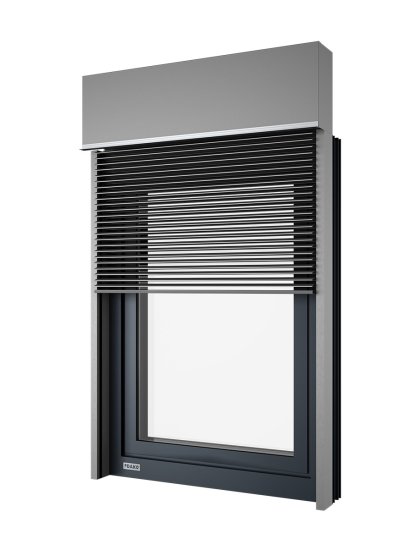


What Are Drainage Openings?
Drainage openings, commonly known as weep holes, are small channels built into window frames. Their purpose is to allow water that enters the window structure to drain out, preventing moisture from accumulating inside the window. This helps protect against leaks, rot, and structural damage.
Why Are They Important for Winter?
During winter, windows face a variety of weather conditions, including freezing rain, snow, and condensation. If drainage openings are blocked or malfunctioning, moisture can build up, freeze, and expand, leading to cracked window frames or internal damage. Proper drainage is vital to avoid these costly issues and to ensure that windows remain energy-efficient and free from leaks.
Signs Your Drainage Openings Need Maintenance
Before performing any maintenance, check for these common signs that your drainage openings may be blocked or in need of repair:
- Water pooling at the bottom of the window frame.
- Mold or mildew around the window.
- Leaking or dripping water, especially after rain.
- Difficulty opening or closing the window due to warping.
Step-by-Step Guide to Checking Your Drainage Openings
Clearing Blockages
The first step in ensuring your drainage openings are ready for winter is clearing out any debris. Leaves, dirt, and insects can block the small holes, preventing proper water drainage. Here's how to clear them effectively:
- Use a small brush or soft pipe cleaner to gently remove debris from the holes.
- If needed, a vacuum or compressed air can help dislodge stubborn blockages.
- Avoid using sharp objects that could damage the window frame.
Testing Drainage Efficiency
Once you've cleared out the drainage openings, it's important to test them. Pour a small amount of water into the window frame and watch to ensure it drains out smoothly through the weep holes. If the water pools or drains slowly, recheck for blockages.
Additional Window Winterization Tips
Besides checking your drainage openings, there are a few more steps to take to winter-proof your windows:
- Inspect Weather Stripping: Make sure your weather stripping is intact and not worn out. Replace any damaged or old seals to prevent drafts.
- Check for Condensation: Persistent condensation can signal poor insulation or improper ventilation. Consider installing storm windows or upgrading to double-paned windows for better energy efficiency.
- Clean the Glass and Frame: Clean windows allow sunlight to warm your home naturally. Clean the glass and ensure the frame is free of dirt that can cause long-term damage.
- Consider Window Insulation Film: Adding insulation film can reduce heat loss and improve energy efficiency.
FAQ
1. What happens if I don't maintain my window drainage openings?
Without regular maintenance, drainage openings can become blocked, leading to water damage, mold, or leaks inside the home, especially during winter when moisture is more prevalent.
2. How often should I check my drainage openings?
It’s a good idea to inspect and clear your drainage openings at least twice a year, especially in the fall before winter sets in and in the spring to remove any accumulated debris.
3. What can I use to clean my drainage openings?
A soft brush, pipe cleaner, or compressed air works best to clean drainage openings. Avoid using sharp objects that could damage the window frame or the weep holes.
4. Can I block my drainage openings for aesthetic reasons?
No, drainage openings are essential for preventing water damage. Blocking them can result in leaks and structural issues with your window frame.
5. What else should I check in my windows before winter?
Besides the drainage openings, check the window seals, weather stripping, and any insulation to ensure your windows are winter-ready and energy-efficient.
Tags: winter window drainage maintenance, window weep holes, clearing window drainage blockages, winter-proof windows, testing drainage efficiency, window condensation prevention, mold and mildew around windows, window weather stripping check, window insulation for winter


