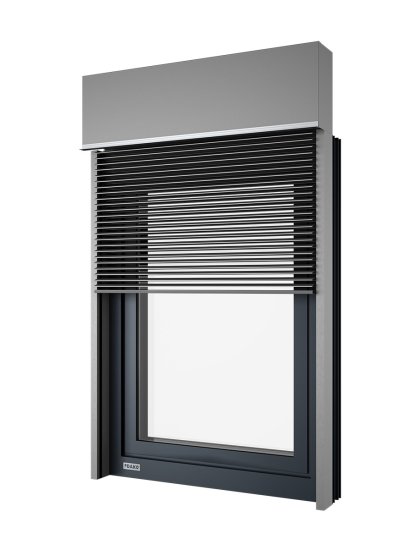


The Rise of Energy-Efficient Windows
Modern homeowners are increasingly prioritizing energy efficiency in their window choices. Rising energy costs and a global focus on sustainability have led to growing demand for double- and triple-glazed windows, Low-E coatings, and argon-filled glass units that minimize heat loss and improve insulation.
Key features driving demand include:
- Thermal Performance: Windows that reduce heat transfer, keeping homes warm in winter and cool in summer.
- Energy Savings: Reduced energy bills through better insulation and lower reliance on heating and cooling systems.
- Compliance with Regulations: Many regions now require energy-efficient windows to meet building codes and green certifications.
Manufacturers must emphasize these features in their marketing strategies to attract eco-conscious customers looking for long-term savings and comfort.
Sustainability and Eco-Friendly Materials
Sustainability has become a non-negotiable factor for modern consumers. Customers are actively seeking windows made from recycled materials, renewable resources, and low-impact production processes.
Popular eco-friendly options include:
- Wood Frames from Certified Forests: Sustainable sourcing ensures eco-friendly production without compromising aesthetics.
- Recyclable PCV Frames: Durable and energy-efficient, PCV windows offer a low-maintenance option that aligns with sustainability goals.
- Aluminum Frames with High Recyclability: Lightweight, durable, and perfect for modern designs.
Smart Windows – Integrating Technology for Modern Living
Smart windows are transforming modern homes by offering convenience, automation, and energy control through advanced technologies.
Popular smart window features include:
- Electrochromic Glass: Adjusts tint based on light exposure, reducing glare and heat gain automatically.
- Photochromic and Thermochromic Glass: Reacts to UV rays and temperature, offering privacy and climate control without manual adjustments.
- Remote Control Systems: Homeowners can operate windows via smartphone apps or voice commands through platforms like Google Home and Amazon Alexa.
These features make smart windows ideal for energy savings, privacy, and modern lifestyles, appealing to tech-savvy consumers looking to upgrade their homes.
Customization and Design Flexibility
Today’s customers value personalization and want windows that match their unique aesthetic preferences and architectural styles. As a result, manufacturers are offering:
- Multiple Frame Colors and Finishes: From bold, modern colors to classic wood-grain designs.
- Flexible Shapes and Sizes: Custom-cut windows to fit unconventional spaces and creative designs.
- Decorative Glass Options: Frosted, stained, and tinted glass options for enhanced privacy and design flair.
Offering customizable options not only meets diverse consumer preferences but also allows homeowners to create spaces that reflect their personal style without compromising functionality.
Noise Reduction and Acoustic Insulation
With increasing urbanization, noise pollution has become a major concern for homeowners. Consumers are demanding soundproof windows that create quieter and more peaceful environments.
Key features include:
- Laminated Glass with Acoustic Layers: Reduces sound transmission significantly.
- Multi-Glazed Windows: Double- and triple-glazed glass provides better insulation against noise.
- Sealed Frames: Prevent gaps and improve noise-blocking performance.
These solutions are especially appealing to city dwellers and those living near busy roads, airports, or industrial areas.
Durability and Low-Maintenance Solutions
Modern consumers value products that offer long-lasting durability and require minimal upkeep. This trend has led to:
- Weather-Resistant Coatings: Prevent fading, warping, and cracking caused by sunlight and moisture.
- Easy-to-Clean Designs: Tilt-and-turn windows for convenient cleaning and maintenance.
- Anti-Burglary Features: Reinforced frames, impact-resistant glass, and multi-point locking systems that enhance security without sacrificing style.
Durability-focused designs meet the demands of busy homeowners who seek hassle-free solutions for their homes.
The Role of Marketing and Digital Tools in Consumer Engagement
The way consumers shop for windows has changed dramatically, with digital tools and online marketing playing a vital role.
Key trends include:
- Augmented Reality (AR): Apps that allow customers to visualize different window styles and colors in their homes before making a purchase.
- Virtual Showrooms: Interactive 3D tours that provide a realistic shopping experience online.
- Social Media Campaigns: Platforms like Instagram and Pinterest are helping brands showcase products to a design-conscious audience.
Investing in SEO-optimized content, targeted ads, and email marketing ensures companies stay visible and relevant in a highly competitive marketplace.
Conclusion
The window industry is undergoing a transformation, shaped by modern customer demands for energy efficiency, sustainability, smart technology, and customization. Manufacturers and retailers who embrace these trends will be well-positioned to meet evolving preferences and stay competitive.
By offering eco-friendly materials, smart features, and custom designs, businesses can appeal to consumers seeking both functionality and style. Incorporating digital tools and personalized marketing strategies further enhances the customer experience, driving sales and building long-term loyalty.
Meeting the expectations of modern customers means staying innovative, adaptable, and focused on delivering value—qualities that define success in today’s window industry.
Tags: Window Industry Trends, Energy-Efficient Windows, Sustainable Windows, Smart Windows, Custom Window Designs, Acoustic Insulation, Low-Maintenance Windows, Home Improvement Trends, Modern Window Technology, Window Market Growth, Eco-Friendly Materials, Noise Reduction Windows, Digital Marketing for Windows, Augmented Reality in Window Sales, Consumer Preferences in Windows