

From energy-efficient models to hurricane-resistant options, many different kinds of windows can be found in commercial buildings. In this blog post, we'll take a closer look at some popular types of windows used in commercial construction and explore why they may be perfect for your next project!
Types of Commonly Used Commercial Windows!
There are many distinct varieties of windows, each resulting from a unique combination of factors such as the type of glass used, the window's aesthetic design, and more.
1. Aluminium windows
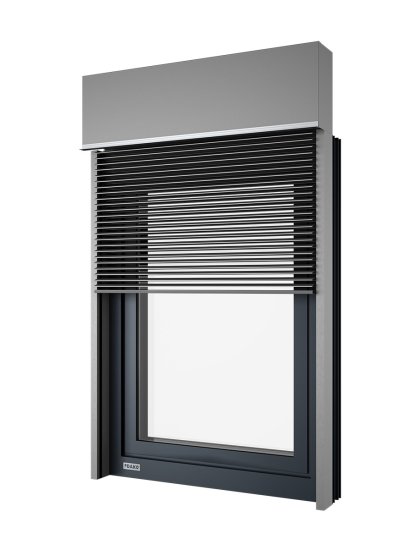
Aluminum windows have frames made of aluminum, and the name comes from the material itself. These are the most common types of windows that may be found in residential and commercial properties alike. They are hardy, long-lasting, and require very little upkeep on the owner’s part.
Dako is one of the oldest and most reputable producers and suppliers of commercial aluminum windows and doors. These windows and doors are exceptionally appealing and highly effective for commercial buildings and offices. Dako is among the oldest manufacturers and suppliers in the industry.
2. Glass Windows
Tempered glass is the type of commercial glass used most frequently and is frequently required by law. It is four to six times as robust as residential glass, and when it breaks, it is meant to shatter into harmless little bits, in contrast to residential glass, which breaks into huge sharp shards.
The glass that has been laminated has had a thick sheet of plastic sandwiched in between two layers of regular glass. This makes the window more durable and causes the shattered glass to adhere to the plastic center rather than shattering externally in the event of a natural or manufactured calamity since it strengthens the window.
3. Glazed windows
Glazing is installing glass into frames attached to the opening in the outside walls of a structure intended to house windows. This process is referred to as "glazing."
Three types of glazing may be used for the windows: single glazing, double glazing, and triple glazing. The level of insulation provided by the windows improves dramatically as the number of glazing layers increases. Increased glazing results in more energy-efficient windows that are also better at insulating against heat and sound.
Triple-glazed windows have three separate glazing panes that are separated from one another by spacers. These spacers are separated from one another by an inert gas such as argon or krypton, which acts as an insulating barrier between the panes of glass. Double-glazed windows have two glass panes that have been joined together.
Variations in Window Design.
Your decision on window style might be based on several things. Cases in point may include:
- Style of architecture used in construction.
- Where the rooms are situated within the structure.
- Detailing the functions of each space.
- The proportions of the rooms.
- Weather patterns.
- Position of the wind.
-
Pivoted windows
Casement windows, which are the most common type of pivoting window, are often constructed in the form of a pivoting mechanism. The window panes can swing back and forth or oscillate since the windows are mounted on pivots. Depending on where the pivots are located, the window’s panes can oscillate vertically or horizontally. The orientation of the pivots determines this.
-
Fixed Windows
Fixed Windows do not have any mechanism to open or close them. The primary function of these features is to permit natural light to enter a structure. In most cases, the window frame is fitted with window panes that are fully glazed and resistant to the elements.
-
Sliding windows
Instead of fixed windows, sliding windows feature panes that may move while still being fastened in their frames. Fixed windows, on the other hand, cannot be moved. Sliding windows may be divided into two categories: horizontally and vertically. These are the typical sorts of windows found in retail establishments.
-
Metal Windows
Windows made of metal may be seen in a lot of public buildings. They are constructed using mild steel, which is superior to other types of windows in terms of strength but costs less. This glass may be crafted from aluminum, stainless steel, or bronze. These are just some of the options.
-
Awning windows
Awning windows have a top hinge and open outwards. These panes of glass are frequently installed in bedrooms, baths, and other personal spaces.