

Overview of Sliding Doors
Sliding doors consist of large glass panels that glide horizontally along a track. They are a popular choice for modern homes due to their sleek design and ability to maximize natural light. Sliding doors are typically used to connect indoor spaces to patios, decks, or gardens, offering a seamless transition to the outdoors.
Advantages of Sliding Doors
- Space-saving design
- Large glass panes for unobstructed views
- Easy operation with minimal effort
Potential Drawbacks
- Limited opening width compared to French doors
- Tracks require regular cleaning to maintain smooth operation
Overview of French Doors
French doors feature two hinged panels that open outward or inward, depending on the installation. Known for their classic charm, French doors often include decorative glass panes, adding elegance to any space. They are versatile and can be used for both interior and exterior applications.
Advantages of French Doors
- Wider opening for better ventilation and accessibility
- Timeless, elegant design
- Suitable for both traditional and modern homes
Potential Drawbacks
- Requires more space to open
- Higher potential for drafts if not sealed properly
Space Efficiency
Sliding doors are an excellent option for small spaces since they do not require additional room for swinging open. This makes them ideal for areas like narrow patios or rooms with limited square footage.
In contrast, French doors require clearance to open fully, which may not be practical in tight spaces. However, in larger rooms, French doors can make a grand statement and serve as a focal point.
Aesthetic Appeal and Design Versatility
French doors are often chosen for their timeless elegance and versatility. They can enhance the charm of traditional homes and add sophistication to contemporary interiors. With customizable options like wood finishes and decorative glass, French doors offer endless design possibilities.
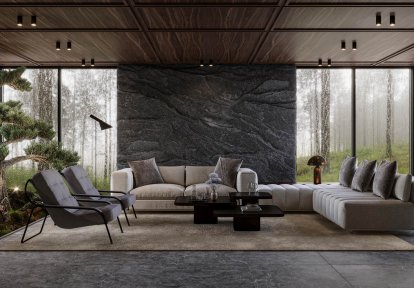
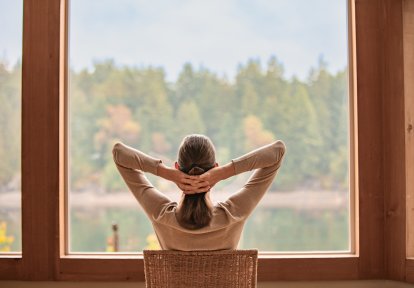
Sliding doors, on the other hand, have a sleek and minimalist look that complements modern and minimalist aesthetics. Their large glass panes provide uninterrupted views, making them ideal for homes with scenic surroundings.
Energy Efficiency and Insulation
Both sliding and French doors can be energy-efficient when properly designed and installed. Sliding doors often feature double- or triple-glazed glass with UV coatings, which help reduce heat transfer and block harmful UV rays.
French doors, while elegant, can sometimes be less energy-efficient due to potential gaps between the doors if not sealed properly. However, modern French doors with weatherproofing and advanced insulation features can match the energy performance of sliding doors.
Cost and Maintenance
Sliding doors are generally more affordable than French doors, especially when considering the cost of installation and materials. Maintenance is also relatively simple—cleaning the tracks and glass panels regularly is usually sufficient.
French doors, with their intricate designs and additional hardware, tend to be more expensive. They may also require periodic maintenance to ensure that the hinges and seals remain in good condition.
Best Applications for Each Door Type
Sliding Doors
- Ideal for modern homes with limited space
- Perfect for connecting indoor and outdoor areas, such as patios and decks
- Great for maximizing natural light and scenic views
French Doors
- Best for homes that prioritize elegance and classic aesthetics
- Suitable for wide openings, offering enhanced ventilation and accessibility
- Excellent for interior spaces like dining rooms or home offices to create a stylish separation
Conclusion: Which One is Right for You?
The choice between sliding doors and French doors ultimately depends on your specific needs and preferences.
- Choose sliding doors if you value space efficiency, modern design, and panoramic views.
- Opt for French doors if you prefer a timeless, elegant look and need a wider opening for ventilation or accessibility.
Both options can enhance the functionality and beauty of your home. By considering factors like space, style, and budget, you can confidently select the door type that best suits your living space.
FAQ
Q: Are sliding doors more energy-efficient than French doors?
A: Sliding doors often feature advanced glazing options that enhance energy efficiency. However, modern French doors with proper sealing can perform just as well.
Q: Which door type is better for small spaces?
A: Sliding doors are better for small spaces since they do not require clearance for swinging open.
Q: Are French doors harder to maintain than sliding doors?
A: French doors may require more maintenance for hinges and seals, while sliding doors primarily need regular cleaning of tracks and glass.
Q: Can sliding doors be customized to match a traditional home?
A: Yes, sliding doors are available in various materials and finishes that can complement traditional designs.
Q: Which door type offers better ventilation?
A: French doors provide wider openings, making them ideal for improved ventilation compared to sliding doors.
Tags: sliding doors, French doors, sliding doors vs French doors, advantages of sliding doors, advantages of French doors, space-saving doors, energy-efficient doors, modern door designs, traditional door designs, minimalist doors, elegant doors, patio doors, deck doors, indoor-outdoor doors, glass panel doors, hinged doors, classic door styles, door design comparison, small space door solutions, wide opening doors, energy efficiency of sliding doors, energy efficiency of French doors, maintenance of sliding doors, maintenance of French doors, door ventilation options, custom sliding doors, modern French doors, sliding door benefits, French door benefits, home renovation doors, interior door styles, exterior door options, UV-coated glass doors, double-glazed sliding doors, weatherproof French doors, narrow patio doors, panoramic view doors