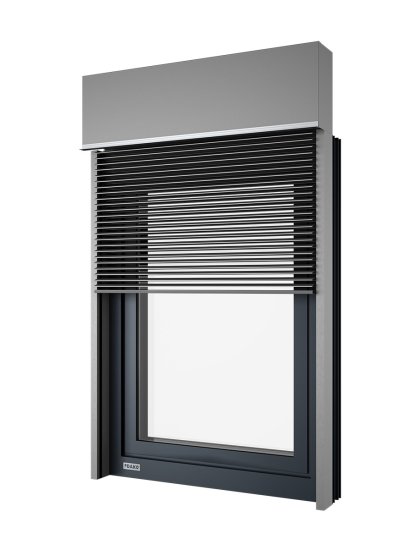


Texas Climate and Its Impact on Energy Needs
Texas experiences extreme summer heat, with average temperatures exceeding 90°F, particularly in the central and southern regions. In contrast, winters are generally mild. This climate variation influences energy demands, as homeowners often use air conditioning in summer and only minimal heating in winter. Windows in Texas homes must provide superior thermal performance to minimize heat gain during the summer while also offering adequate insulation for the few cooler months. Without energy-efficient windows, homes can experience increased energy costs due to excessive air conditioning use.
Window Glazing Options and Energy Efficiency
The glazing of a window refers to the number of glass layers and any coatings applied to improve insulation. Texas homeowners can benefit from double-glazed windows, which feature two panes of glass separated by an insulating gas (usually argon or krypton). Triple-glazed windows add an extra layer of insulation, but the additional cost may not be as beneficial in Texas’s milder winter climate. Proper glazing can significantly reduce heat transfer, ensuring that homes remain cooler in the summer and lowering the strain on cooling systems.
The Role of Frame Materials in Insulation
Window frames play a substantial role in insulation. In Texas, choosing frames made from PVC, fiberglass, or aluminum with thermal breaks can enhance a home’s energy efficiency. PVC frames are highly energy-efficient due to their low thermal conductivity, meaning they limit heat transfer effectively. Aluminum frames, while durable, are excellent conductors of heat, so adding thermal breaks is crucial for energy efficiency. Fiberglass frames are durable and provide good insulation, making them suitable for Texas’s diverse climate conditions.
The Significance of Window Orientation and Placement
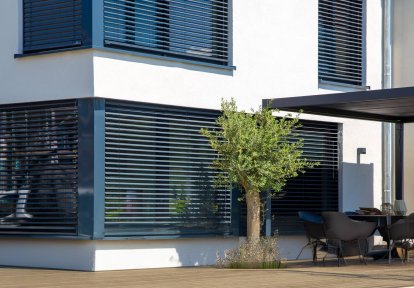
The orientation and placement of windows greatly impact a home’s energy efficiency. South-facing windows can capture passive solar heat in winter, but without adequate shading, they can lead to overheating in the summer. East- and west-facing windows are more susceptible to heat gain, so using shades, blinds, or low-E coatings is advisable to reduce solar exposure. In Texas, considering window orientation helps homeowners optimize natural lighting without compromising indoor temperatures.
Low-E Coatings and Solar Control for Texas Summers
Low-emissivity (Low-E) coatings are designed to reflect heat and UV rays, making them ideal for Texas homes where solar control is essential. Low-E coatings help block a portion of the sun's heat, reducing the need for air conditioning during the summer months. Windows with spectrally selective coatings can effectively block infrared light without affecting visible light, providing ample natural lighting while keeping interiors cooler. This option is particularly beneficial for homes in hotter Texas regions.
Double vs. Triple Glazing: Which is More Efficient?
In Texas, the benefits of triple glazing are less pronounced than in colder climates. Double-glazed windows generally provide sufficient insulation, and the added cost of triple glazing may not yield significant energy savings. However, for homeowners focused on maximizing comfort and insulation, triple glazing could offer additional noise reduction and thermal stability. Double glazing remains the more cost-effective choice, balancing energy efficiency with affordability for most Texas homeowners.
Maintenance and Longevity for Energy-Saving Windows
To maintain the energy efficiency of windows, regular maintenance is essential. This includes checking for damaged seals, cleaning Low-E coatings gently, and ensuring frames remain in good condition. Damaged seals can lead to condensation between panes, reducing insulation effectiveness. In Texas, extreme temperatures can affect window components, so keeping up with maintenance ensures optimal performance and energy savings.
Cost-Benefit Analysis of Energy-Efficient Windows
Although energy-efficient windows represent a higher initial investment, the long-term savings on energy bills often justify the cost. Homes with high-performance windows benefit from lower cooling demands in the summer, potentially reducing air conditioning expenses by up to 30%. A cost-benefit analysis helps homeowners determine the payback period for their investment in energy-efficient windows, considering Texas’s climate and typical energy usage patterns.
Conclusion
In Texas, where summer heat is intense, choosing energy-efficient windows is crucial to maintain indoor comfort and reduce energy costs. Options like double glazing, PVC frames, and Low-E coatings provide the necessary insulation and solar control to combat heat gain effectively. By selecting windows that align with the Texas climate, homeowners can optimize energy efficiency, enjoy comfortable indoor temperatures, and achieve long-term savings.
FAQ
- What type of glazing is best for Texas homes?
Double glazing with Low-E coatings provides effective insulation for Texas, balancing cost and performance. - Are PVC frames better than aluminum for energy efficiency?
Yes, PVC frames are better insulators, while aluminum requires thermal breaks to prevent heat transfer. - How do Low-E coatings work in warm climates?
Low-E coatings reflect infrared light, reducing heat gain without affecting natural light. - Will triple glazing significantly reduce energy costs in Texas?
Not necessarily. Double glazing generally provides sufficient insulation for Texas’s climate.
Tags: energy-efficient windows Texas, window insulation Texas, Low-E coatings Texas, double glazing benefits, PVC window frames, energy savings Texas homes, solar control windows, home improvement Texas, sustainable housing solutions, Texas climate adaptation, energy-efficient home upgrades, Texas summer heat solutions, window orientation for energy efficiency, eco-friendly windows, energy-efficient building materials Texas