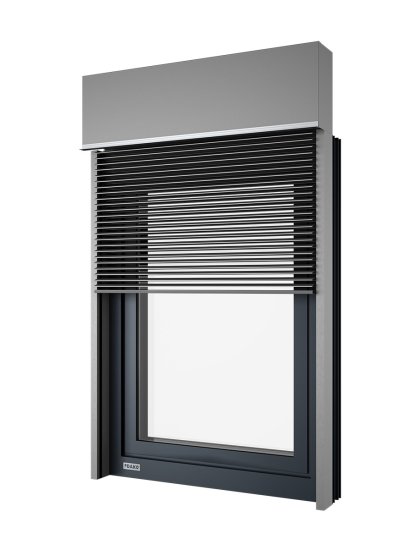


Overview of LEED and BREEAM Certifications
LEED and BREEAM are two of the most prominent environmental certification systems used to assess the sustainability of buildings. Both systems provide guidelines and criteria that help ensure buildings reduce their carbon footprint, save energy, and promote occupant well-being. Although they share similar objectives, LEED tends to focus more on energy efficiency and environmental impact, while BREEAM also places emphasis on the social and economic sustainability of projects.
How Window Energy Performance Affects LEED Certification
In the LEED certification system, windows can significantly affect scores in several key categories, most notably:
- Energy and Atmosphere: High-performing windows contribute to energy savings by improving thermal insulation and reducing heating and cooling demands.
- Indoor Environmental Quality: Windows with superior thermal and light performance create more comfortable indoor spaces, providing better air quality and natural lighting.
To earn LEED points, windows must meet or exceed certain energy performance thresholds, typically reflected in U-values, solar heat gain coefficients (SHGC), and visible light transmission (VLT). In colder climates, low U-values (often below 1.0 W/m²K) and glazing that minimizes heat loss are especially important for achieving LEED certification.
DAKO Showrooms in the USA: Accessibility and Convenience
To facilitate direct contact with our products for developers and architects, DAKO has invested in expanding its showroom network across the United States. Our locations are situated in key cities, allowing easy access to our product range and direct comparison of different window models. DAKO showrooms are not just places to view products but also centers for consulting, where our experts assist in selecting the best solutions for each project. This makes the decision-making process much easier, and developers can be confident they are choosing products that best meet their needs.
The Role of Windows in BREEAM Certification
BREEAM certification evaluates building sustainability based on 10 categories, of which windows play a crucial role in the Energy, Health & Wellbeing, and Materials sections:
- Energy: Energy-efficient windows help reduce the building's overall energy consumption and minimize its carbon footprint.
- Health & Wellbeing: Good window design ensures optimal daylighting and maintains thermal comfort for occupants, both of which are central to the well-being category.
BREEAM-certified windows often feature triple glazing, Low-E coatings, and frames made from sustainable materials. These features contribute to reducing heat loss, minimizing drafts, and enhancing overall occupant comfort.
Key Technical Requirements for Windows in LEED and BREEAM
Windows in both LEED and BREEAM-certified buildings must meet specific technical criteria, including:
- Thermal Performance: U-values below 1.0 W/m²K are often required in cooler climates to minimize heat transfer.
- Solar Heat Gain Coefficient (SHGC): Windows must balance heat gain and loss depending on the climate, with SHGC values optimized for energy performance.
- Air Tightness: Properly sealed windows help minimize air leakage, improving both energy efficiency and indoor air quality.
- Sustainable Materials: BREEAM favors windows made from materials that have lower environmental impact, such as recycled or certified sustainable wood.
Innovative Window Technologies Supporting Green Building Certifications
To meet the stringent requirements of LEED and BREEAM, innovative window technologies have been developed, including:
- Low-Emissivity (Low-E) Coatings: These coatings help reduce energy loss by reflecting heat back into the building, which is essential for maintaining indoor temperatures without excessive heating.
- Triple Glazing: Triple-glazed windows provide superior insulation, further reducing heat transfer and noise.
- Argon Gas-Filled Windows: These windows enhance thermal performance by using inert gases between panes to minimize heat exchange.
Practical Tips for Choosing Windows for LEED and BREEAM Projects
- Evaluate Climate Needs: Ensure that window specifications (U-value, SHGC) align with the local climate to optimize energy savings.
- Consider Natural Lighting: Use high-performance windows to maximize daylight while minimizing heat gain, which helps earn points in both LEED and BREEAM.
- Choose Sustainable Frames: Opt for window frames made from eco-friendly materials like FSC-certified wood or recycled aluminum
Conclusion
The energy efficiency of windows is critical in achieving LEED and BREEAM certifications, contributing to reduced energy consumption, enhanced indoor comfort, and lower environmental impacts. By selecting high-performance windows, architects and builders can ensure that their projects meet the stringent requirements of these prestigious certifications, helping to create more sustainable and comfortable living environments.
FAQ
1. What is the role of windows in LEED certification?
Windows contribute to energy savings and indoor environmental quality by providing insulation and natural light.
2. What are the technical requirements for windows in BREEAM-certified buildings?
BREEAM focuses on thermal performance, sustainable materials, and occupant comfort, favoring triple glazing and Low-E coatings.
3. What U-value is needed for LEED and BREEAM windows?
Typically, a U-value below 1.0 W/m²K is recommended to ensure high energy efficiency.
4. Do BREEAM and LEED require sustainable window frames?
Yes, both certifications encourage using sustainable materials for window frames, such as recycled aluminum or FSC-certified wood.
5. Can innovative window technologies help earn green building certifications?
Yes, technologies like Low-E coatings and argon gas-filled panes significantly improve energy performance and help achieve certification.
Tags: window energy efficiency, LEED certification, BREEAM certification, energy-efficient windows, sustainable building, high-performance windows, Low-E windows, triple glazing, U-value windows, green building design