

Windows in the 1950s – Simplicity and Functionality
In the 1950s, windows were primarily designed with simplicity in mind. The typical window was built using wooden frames and single-pane glass, with little focus on insulation or energy efficiency. These windows served basic purposes: allowing light and air into homes and providing a view outside. However, they were notorious for poor thermal performance, often leading to drafts and increased energy consumption for heating in colder climates.
Technology
Windows from this era relied heavily on wood as the primary frame material. The use of single-pane glass meant that these windows provided minimal insulation, contributing to significant heat loss in the winter and heat gain in the summer. There was little in the way of weatherstripping, and air leakage was common.
Design
Design-wise, windows in the 1950s were straightforward. They were generally small and functional, with little emphasis on aesthetics or maximizing the amount of natural light. Most homes had double-hung windows, which could be opened from both the top and bottom for ventilation.
The 1960s and 1970s – Aluminum and Mass Production
The 1960s and 1970s marked a significant shift in window technology and design. Aluminum became a popular material for window frames, thanks to its lightweight properties, durability, and relatively low cost. The post-war construction boom saw a demand for affordable and mass-produced housing, and aluminum-framed windows fit this need perfectly.
Technology
Aluminum windows were a breakthrough in terms of durability and maintenance. Unlike wood, aluminum does not rot, warp, or require frequent painting, making it a low-maintenance option for homeowners. However, aluminum is a poor insulator, and windows from this era were still prone to significant heat loss and condensation issues.
Design
The design of windows during this period became more varied, with larger panes of glass becoming possible due to the strength of aluminum. This allowed for broader vistas and more natural light to enter homes. Sliding windows, casement windows, and picture windows became more common.
The 1980s – PVC Windows and Modern Insulation
The 1980s saw the rise of PVC (polyvinyl chloride) windows, a material that revolutionized the window industry. PVC windows offered superior insulation compared to aluminum and required even less maintenance. This decade marked the beginning of a focus on energy efficiency, with homeowners and builders increasingly aware of the need for better-insulated windows to reduce energy consumption.
Technology
PVC windows provided better thermal insulation due to their multi-chambered frame design, which trapped air within the frame to reduce heat transfer. Double-glazing became more prevalent, with windows featuring two panes of glass separated by a sealed air or gas-filled gap for improved insulation.
Design
Window design in the 1980s embraced larger windows with improved performance. The flexibility of PVC allowed for a variety of window styles, including bay windows, arched windows, and tilt-and-turn mechanisms, giving homeowners more options for customizing their homes.
The 1990s – Energy Efficiency Becomes a Priority
As environmental awareness grew in the 1990s, so did the emphasis on energy efficiency. Building codes were updated to reflect new energy-saving goals, and windows played a critical role in meeting these standards. Low-E (low emissivity) glass, which reduces the amount of heat that passes through the window, became a standard feature in many homes.
Technology
Low-E coatings were a major innovation in window technology during this time. These coatings are applied to the glass to reflect infrared light, helping to keep heat inside during the winter and outside during the summer. Gas fills, such as argon and krypton, were introduced between the panes of glass to further improve insulation.
Design
Window frames also evolved in the 1990s, with thermally broken aluminum frames becoming more common. These frames included a plastic or rubber barrier that separated the inside and outside of the frame, reducing heat transfer. Window designs also became more diverse, with an increased focus on aesthetics as well as function.
21st Century Windows – Smart, Self-Cleaning, and Beyond
In the 21st century, window technology has advanced to include smart windows that can adjust their tint based on the level of sunlight, self-cleaning windows that use UV light to break down dirt, and windows with integrated solar panels. Homeowners today expect windows to provide superior insulation, noise reduction, and even enhanced security features.
Technology
Smart windows, also known as electrochromic windows, allow users to control the amount of light and heat that enters their homes via a smartphone or home automation system. These windows can change from clear to tinted with the flip of a switch or automatically adjust based on the time of day. Self-cleaning glass uses a special coating that reacts with sunlight to break down organic dirt, which is then washed away by rain.
Design
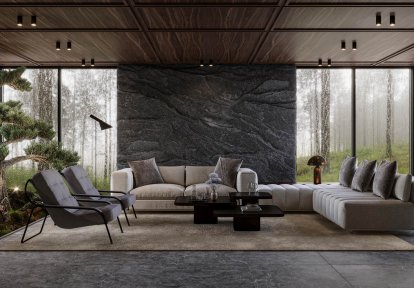
Modern windows are designed to blend seamlessly with architectural styles, from ultra-modern to traditional. Frameless windows and minimalist designs are popular, as are large, floor-to-ceiling windows that maximize natural light and offer stunning views. Energy-efficient windows, with multiple layers of glazing, have become the standard for new construction, helping to reduce heating and cooling costs.
Contemporary Window Design Trends: Minimalism, Sustainability, and Energy Efficiency
Today’s window trends emphasize minimalism, energy efficiency, and sustainable materials. Homeowners are opting for sleek, frameless windows that offer unobstructed views, as well as energy-efficient solutions that contribute to the overall sustainability of their homes. Triple glazing is becoming more common in colder climates, while solar control coatings are popular in warmer regions to reduce cooling costs.
Sustainability
There is a growing demand for windows made from recycled materials, and manufacturers are responding by offering products with lower carbon footprints. The use of renewable energy in the production process is also becoming more common, making windows an integral part of a home’s green credentials.
Conclusion
The evolution of windows from the 1950s to today reflects broader changes in technology, architecture, and environmental awareness. What began as simple wooden frames with single panes of glass has transformed into a highly engineered system designed to improve energy efficiency, enhance comfort, and even integrate with smart home systems. As technology continues to advance, the future of windows promises even greater innovations, ensuring that this crucial architectural element remains at the forefront of sustainable and comfortable living.
FAQ
1. What materials were used for windows in the 1950s?
Wooden frames with single-pane glass were the most common window materials in the 1950s, offering little in terms of insulation or energy efficiency.
2. How did aluminum windows change the industry in the 1960s?
Aluminum windows introduced durability and low maintenance but were poor insulators. They allowed for larger panes of glass and became popular in mass-produced homes.
3. What advancements in window technology occurred in the 1980s?
PVC windows with double-glazing became widespread in the 1980s, significantly improving thermal insulation and reducing energy consumption.
4. How do modern smart windows work?
Smart windows use electrochromic technology to change tint levels based on sunlight or user control, helping regulate indoor temperatures and light levels.
5. What are the benefits of Low-E glass in windows?
Low-E glass reflects infrared light, helping keep homes warmer in winter and cooler in summer, thereby improving energy efficiency and reducing utility costs.
Tags: evolution of window technology, energy-efficient windows, smart window innovations, PVC windows, aluminum window frames, Low-E glass windows, 1950s window design, modern window trends, sustainable window materials, triple-glazed windows