

Classic Architectural Styles and Appropriate Windows
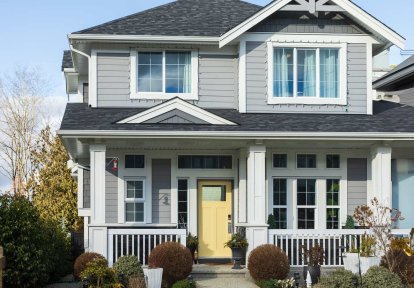
Classic architectural styles, such as neoclassicism, Georgian, or Victorian, embody elegance, symmetry, and attention to detail. In these types of buildings, windows play a key role, serving not only as sources of light but also as significant decorative elements. Classic windows are often characterized by large proportions, adorned with muntins and sculptural details, such as decorative moldings or cornices.
In neoclassical homes, sash windows are a popular choice, referencing traditional forms. These windows often feature multiple small panes, adding delicacy and elegance to the facade. Symmetry is also emphasized, reinforcing the regularity and harmony of the building. In Victorian style, in addition to sash windows, arched windows are also common, which add lightness and finesse to the building. Stained glass or decorative glazing are often used, serving as an additional ornamental accent.
Choosing windows for classic styles requires special attention to detail. The materials used should be of the highest quality, with natural wood being the preferred choice due to its authenticity and the possibility of precise craftsmanship. The color scheme of classic windows is usually subdued – with white, gray, and natural wood tones dominating, emphasizing the building's nobility and elegance.
Modern Architectural Trends and Window Selection
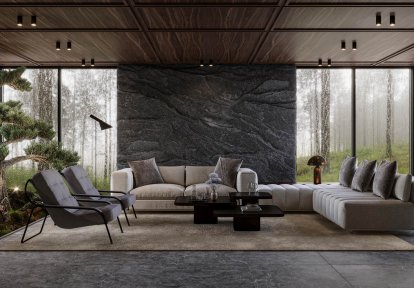
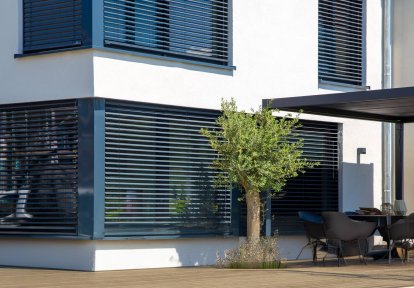
Modern architecture places great emphasis on functionality, simplicity of form, and the use of modern materials. In buildings with contemporary designs, windows serve both functional and aesthetic purposes, often becoming a central element of the project. Modern homes are characterized by large, panoramic glazing that not only maximizes interior lighting but also creates a seamless connection between the indoor and outdoor environments.
In modern designs, minimalist windows are popular – frameless, corner, or sliding, fully utilizing the capabilities of contemporary technology. Large sliding windows leading to a terrace or garden are an excellent solution, allowing for the creation of an open, bright space. Non-standard window shapes, such as trapezoids or rhombuses, are also used, giving the building a unique character and making it stand out.
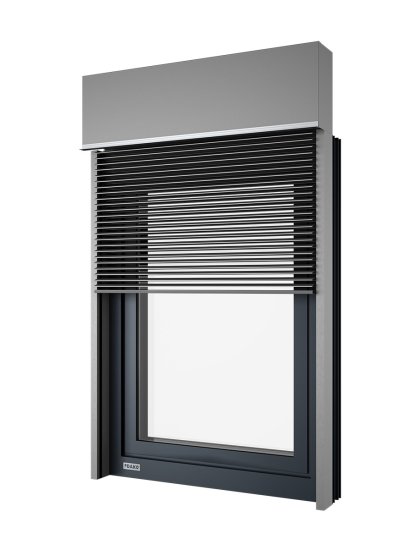
Modern windows also incorporate advanced technologies – from energy-efficient windows to intelligent control systems that allow for the regulation of light intensity or thermal insulation. When selecting windows for a modern home, it is important to consider their technical parameters – thermal insulation, acoustics, and security features, which are crucial for large glass areas.
In the era of smart homes, windows are becoming increasingly technologically advanced through integration with home automation systems and the Internet of Things (IoT). Smart windows offer not only convenience but also additional functions that improve the quality of life.
Rustic and Country Style – What Windows to Choose?
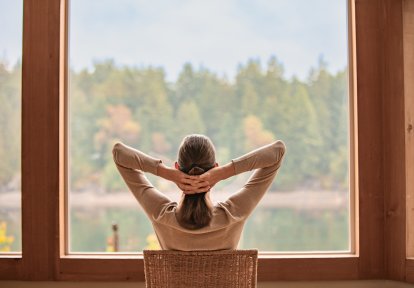
The rustic style, also known as country style, evokes the simplicity of rural life, the warmth of the hearth, and a closeness to nature. Homes in a rustic style feature wood, stone, and other natural materials that create a cozy and warm atmosphere. Windows in such homes should perfectly fit into this ambiance – they need to be sturdy, durable, and at the same time maintain a simple and natural look.
In rustic homes, wooden windows are preferred, as they harmonize with wooden beams, stone walls, and traditional interior elements. The windows often have a simple, classic shape – rectangular, sometimes with delicate muntins that reference traditional patterns. The color scheme of rustic windows usually reflects natural wood tones, ranging from light pine shades to deep browns.
The method of window opening is also important – traditional, outward-opening sashes are a solution that perfectly complements the rustic character of the buildings. Some also opt for shutters, which add a rustic charm to the home and can serve both decorative and protective purposes against sun or wind.
Scandinavian Architecture – Minimalism in Window Selection
Scandinavian architecture, known for its minimalist approach and functionality, emphasizes bright, spacious interiors and natural materials. Windows in Scandinavian homes play a key role, as in regions with long winters and short days, access to natural light is essential. Large, panoramic windows are a hallmark of this style, allowing for maximum daylight and creating a sense of spaciousness.
In Scandinavian architecture, windows with simple, geometric shapes – rectangular, square, sometimes circular – are preferred. They are often installed to create a uniform, almost frameless surface, highlighting the minimalist character of the building. Functionality is also crucial here – windows must be easy to operate and provide good thermal insulation, which is essential in the harsh Scandinavian climate.
The materials used for Scandinavian-style windows are usually wood, aluminum, or a combination of both. Wood adds warmth to the interior, while aluminum brings a modern touch and enhances the durability of the construction. The color scheme of the windows is usually white, gray, or natural wood tones, which blend well with the light, pastel interior colors and simple furniture forms.
Eclecticism and Individualism – Windows for Unconventional Projects
Eclecticism in architecture is a style that allows for the free combination of various trends, materials, and forms. In such projects, windows can take on a variety of shapes and sizes, with the choice largely depending on the architect's and homeowner's creativity and preferences. However, it is important that despite the diversity of elements, the overall design maintains harmony and coherence.
In eclectic projects, you may find retro-style windows that contrast with modern elements, or vice versa – minimalist windows in classic facades. Non-standard colors and materials, such as colored aluminum, steel, or wood painted in vibrant colors, are often used. Such windows become not only a functional element of the building but also a bold accent that adds character to the entire project.
Individualism in architecture also involves seeking out-of-the-box solutions – asymmetrical windows, large-scale glazing, or the use of modern technologies, such as electrochromic glass, which changes light transmission depending on sunlight. In these cases, it is crucial that the windows are not only visually appealing but also meet all technical requirements and are tailored to the specific needs of the building.
Functionality and Aesthetics – How to Combine These Features in Window Selection?
Choosing the right windows for a home is an art of balancing functionality with aesthetics. Windows must meet a range of technical requirements – from thermal and acoustic insulation to durability and resistance to weather conditions. At the same time, they should harmonize with the architecture of the building and enhance its style.
Window functionality depends on several key factors. First, thermal insulation – good windows should prevent heat loss in winter and protect against overheating in summer. Acoustic properties are also important, especially in homes located in noisy areas. Another aspect is security – windows should be equipped with appropriate features, such as reinforced glass, solid locks, or anti-burglary systems.
The aesthetics of windows is not only about their appearance but also about how well they blend with the building. Windows should complement the facade, roof shape, and other architectural elements. Choosing the right materials, colors, and window shapes can significantly impact the visual perception of the building. It is essential that the overall design is cohesive and well thought out.
Windows and Energy Efficiency of the Building
Energy efficiency is one of the most important aspects to consider when choosing windows. High-quality windows can significantly reduce heating costs in winter and cooling costs in summer, directly affecting living comfort and energy bills.
Modern energy-efficient windows are equipped with advanced technologies, such as triple glazing, special heat-reflective coatings, and frames with a low thermal transmittance coefficient. All these elements aim to minimize heat loss, which is particularly important in climates with significant temperature variations.
It is also important to consider the airtightness of the windows and their proper installation in the walls of the building. Even the best windows will not perform their function if they are poorly installed. Therefore, it is crucial that window installation is carried out by experienced professionals who pay attention to every detail.
Colors and Materials – How to Match Windows to the Facade?
Choosing the right window colors and materials is a key aspect that affects the final appearance of the home. Windows should harmonize with the facade, creating a cohesive whole. Depending on the architectural style, wooden, aluminum, PVC, or composite windows can be chosen, along with various colors – from classic white, through wood tones, to bold hues that become a striking accent on the facade.
In classic-style homes, natural wood is an excellent choice, emphasizing the elegance and traditional character of the building. In modern designs, where simplicity and minimalism dominate, aluminum or PVC windows in subdued colors, such as anthracite, gray, or black, are better suited. In rustic or country-style homes, windows in natural wood tones are the best fit, enhancing the cozy character of the building.
It is also worth considering the appropriate window finish – matte, glossy, or satin, which further accentuates the style of the building and gives it a unique character. It is important that the overall design is cohesive and harmonious, with windows forming an integral part of the architecture of the home.
Conclusion
Choosing the right windows to match the architectural style of your home is a process that requires considering many factors – from aesthetics to functionality to energy efficiency. Well-chosen windows can enhance the unique character of the building, improve living comfort, and contribute to reducing maintenance costs. Therefore, it is worth taking the time to carefully analyze the available options and consult with experts to choose windows that are not only beautiful but also durable and functional.
Hashtags: #Windows #Architecture #Design #ArchitecturalStyle #Home #WindowSelection #EnergyEfficiency #ClassicStyle #ModernStyle #DAKO