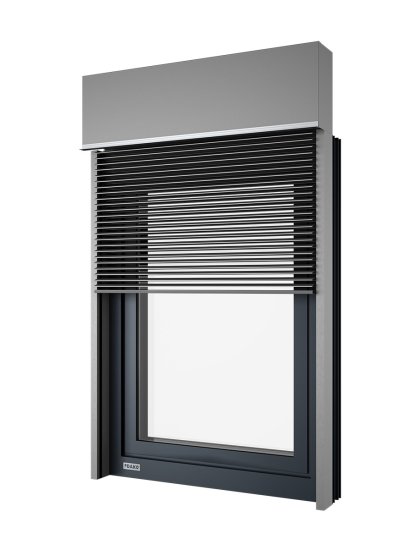


What Are Smart Windows?
Smart windows are high-tech, energy-efficient windows equipped with glass that can change its properties based on environmental conditions or user preferences. Unlike traditional windows, they incorporate dynamic glass technologies that adjust transparency, tint, or reflectivity to control light and heat entering a space.
These windows can be controlled manually, through mobile apps, or integrated with smart home systems for automated adjustments. Whether you want to block out glare, reduce heat, or increase privacy, smart windows offer unmatched flexibility and performance.
Designed for modern homes, offices, and eco-friendly buildings, smart windows provide an innovative way to enhance comfort while lowering energy consumption.
How Do Smart Windows Work?
Smart windows operate using advanced technologies that allow them to respond to environmental changes or user commands. The core component of these windows is smart glass, which can alter its transparency or tint based on light, heat, or electrical signals. This dynamic behavior is powered by one of three main technologies—electrochromic, photochromic, or thermochromic systems.
Electrochromic glass is activated by an electric current, enabling users to control the level of tint or transparency with the push of a button or through a mobile app. This feature allows homeowners to block glare or heat while maintaining natural light, all without using blinds or curtains.
Photochromic glass reacts automatically to sunlight, darkening when exposed to UV rays. Similar to transition lenses in eyeglasses, this technology adjusts to changing light conditions, providing effortless shading without manual adjustments.
Thermochromic glass, on the other hand, responds to temperature changes. When temperatures rise, the glass darkens to reduce heat gain, helping to maintain a comfortable indoor environment while lowering cooling costs.
In addition to smart glass, smart windows often incorporate sensors, timers, and remote controls for seamless operation. They can be integrated with home automation systems, enabling settings to be adjusted automatically based on the time of day, weather conditions, or occupancy.
By combining responsive glass technologies with automated controls, smart windows offer a modern solution to managing light, heat, and privacy efficiently.
Key Benefits of Smart Windows for Modern Homes
The adoption of smart windows is driven by their ability to enhance both functionality and sustainability. Their benefits go beyond aesthetics, providing practical advantages that align with the demands of modern living.
First and foremost, smart windows improve energy efficiency. By controlling heat and light, they reduce reliance on heating, cooling, and artificial lighting, resulting in lower energy bills and a smaller carbon footprint. In homes designed for sustainability, this feature supports eco-friendly goals and improves overall energy ratings.
Another significant advantage is convenience. With automated controls, homeowners can manage window settings remotely, schedule adjustments, or allow the system to respond automatically to changes in light and temperature. This level of automation minimizes effort while maximizing comfort.
Privacy is also a major benefit. Smart windows with tinting technologies allow users to control visibility into their homes instantly, eliminating the need for blinds or curtains. This is particularly useful in urban areas where privacy can be a concern.
Additionally, smart windows offer UV protection, filtering harmful rays that can fade furniture, flooring, and artwork. This feature helps preserve the interior of the home while maintaining brightness and clarity.
Finally, these windows are designed with modern aesthetics, making them ideal for contemporary architecture and smart home integration. Their sleek appearance eliminates the clutter of traditional window coverings, contributing to a minimalist and polished look.
Smart Glass Technologies – Electrochromic, Photochromic, and Thermochromic Solutions
The performance of smart windows depends largely on the type of smart glass used. Each technology is tailored to meet different needs, offering varying levels of control and responsiveness.
- Electrochromic Glass: This technology uses a thin coating that changes color when an electric current is applied. Homeowners can adjust the tint level manually or program automatic adjustments based on the time of day. It’s ideal for areas with fluctuating light levels, such as living rooms and offices, where dynamic shading is required.
- Photochromic Glass: This glass reacts automatically to sunlight, darkening as UV exposure increases and lightening when the sun fades. It’s a low-maintenance option, perfect for spaces that need automatic glare protection without the need for electrical connections or manual controls.
- Thermochromic Glass: Thermochromic glass responds to temperature changes, darkening as the temperature rises. It’s highly effective in climates with intense summer heat, providing passive solar control and reducing the need for air conditioning.
- Suspended Particle Devices (SPD): SPD glass uses particles suspended in a liquid layer. When activated by an electrical current, these particles align to allow light through. When deactivated, they scatter to block light. This technology is valued for its fast response time and high performance in both residential and commercial applications.
- Liquid Crystal Displays (LCD): LCD glass becomes opaque when powered off and transparent when turned on. It’s commonly used for privacy applications, such as bathrooms or meeting rooms, offering instant transformation with the flick of a switch.
Choosing the right smart glass technology depends on specific needs, whether it’s energy efficiency, privacy, or automated shading.
Automated Controls – Enhancing Convenience and Efficiency
One of the standout features of smart windows is their integration with automated controls, offering unmatched convenience and energy management. These systems allow homeowners to set schedules, operate windows remotely, and sync with other smart devices for seamless performance.
Modern smart windows can be controlled through mobile apps, voice commands, or centralized home automation platforms like Amazon Alexa or Google Home. With voice-activated controls, adjusting window tint or privacy settings becomes as simple as speaking a command.
Timers and sensors take automation to the next level by enabling windows to respond to environmental conditions. For example, light sensors can trigger tinting adjustments during peak sunlight hours, reducing glare and preventing heat buildup. Temperature sensors can activate thermochromic glass during heatwaves, automatically reducing energy usage for cooling systems.
Geofencing features can also be utilized, allowing windows to adjust settings based on the homeowner’s location. For example, windows can be set to lighten when the homeowner arrives and darken when they leave, adding an extra layer of security and energy savings.
Automated controls not only improve comfort but also reduce manual effort, making smart windows an integral part of modern, energy-efficient homes.
Energy Savings with Smart Windows – Reducing Heating and Cooling Costs
Smart windows are specifically designed to lower energy consumption, making them an eco-friendly and cost-effective solution for modern homes. Their ability to reduce heat gain in summer and retain warmth in winter translates directly into savings on heating and cooling bills.
Dynamic tinting and automatic adjustments prevent excessive sunlight from overheating rooms, minimizing the need for air conditioning. In colder months, smart windows allow sunlight to enter and warm up interiors naturally, reducing reliance on heating systems.
Studies have shown that smart windows can lower energy costs by up to 30%, making them a valuable addition to any energy-conscious household.
Privacy Features – Instant Control with Adjustable Tinting
One of the standout features of smart windows is their ability to provide instant privacy without the need for curtains or blinds. With adjustable tinting technologies, homeowners can transform transparent glass into opaque surfaces at the touch of a button or through automated settings, offering flexibility and convenience.
This functionality is particularly useful in areas like bathrooms, bedrooms, and offices, where privacy is often required. Instead of relying on traditional window coverings, which can block light and detract from modern designs, smart windows maintain a sleek and minimalist aesthetic while delivering practical privacy solutions.
Advanced smart glass technologies such as LCD (Liquid Crystal Displays) and electrochromic glass allow for instant transitions. LCD glass becomes opaque when powered off and transparent when turned on, offering privacy on demand. Similarly, electrochromic glass can gradually tint to obscure views, providing customizable privacy levels based on the time of day or specific needs.
For homeowners who prioritize both privacy and natural light, smart windows strike the perfect balance. They allow full sunlight when desired while offering quick transitions to reduce visibility as needed. This makes them an ideal choice for urban environments where privacy can be a challenge.
Integration with Smart Home Systems
Smart windows seamlessly integrate with modern smart home systems, making them an essential component of automated living spaces. Their compatibility with platforms like Amazon Alexa, Google Home, and Apple HomeKit enables users to control window settings through voice commands, mobile apps, or centralized hubs.
Integration allows homeowners to program automated schedules for window adjustments based on the time of day, weather conditions, or occupancy. For instance, smart windows can automatically darken during peak sunlight hours to reduce heat buildup or lighten in the morning to simulate natural sunrise for a gentle wake-up experience.
Sensors embedded in smart windows can also detect light intensity, temperature, and humidity levels, triggering responses without manual input. For example, if the temperature rises beyond a preset threshold, the windows can tint automatically to block heat and reduce reliance on air conditioning.
Smart home integration goes beyond comfort—it enhances energy efficiency and security. Geofencing technology can activate privacy features when homeowners leave the house and switch to transparent mode upon their return. This dynamic adaptability not only saves energy but also deters potential intruders by creating the illusion of occupancy.
Whether controlling windows remotely via a smartphone app or coordinating with other smart devices like thermostats and lighting systems, smart windows provide an effortless way to create a modern, connected home.
Cost and Return on Investment – Are Smart Windows Worth It?
While smart windows come with a higher initial cost than traditional windows, their long-term benefits make them a valuable investment. Homeowners who prioritize energy savings, privacy, and modern convenience often find that the advantages outweigh the upfront expenses.
The cost of smart windows depends on factors such as size, type of glass, and integrated features. Electrochromic glass and LCD-based technologies tend to be more expensive due to their advanced capabilities. However, the savings generated through reduced energy bills and lower maintenance costs can offset this investment over time.
Studies have shown that smart windows can lower heating and cooling expenses by up to 30%, leading to significant annual savings. In regions with extreme temperatures, these savings are even more pronounced. Additionally, the increased property value that comes with installing high-tech, energy-efficient features can further justify the investment.
Beyond financial returns, smart windows offer non-monetary benefits such as improved comfort, enhanced privacy, and better aesthetic appeal. They contribute to eco-friendly living by reducing energy consumption and minimizing the need for artificial lighting and temperature control.
For homeowners planning long-term improvements, smart windows are a future-proof solution that aligns with sustainability goals while enhancing modern lifestyles.
Future Trends in Smart Window Technology
The future of smart windows looks promising, with ongoing advancements in materials and automation technologies expected to revolutionize the market. Researchers are exploring self-healing glass and energy-generating windows, which could further enhance durability and sustainability.
One exciting development is solar-powered smart glass, which harnesses sunlight to generate electricity while providing shading and insulation. This technology could make smart windows even more energy-efficient, enabling homes to reduce reliance on external power sources.
AI-powered windows are also on the horizon. These systems will use artificial intelligence to learn user preferences and environmental patterns, automatically adjusting tint levels and privacy settings without manual input. Imagine windows that predict weather changes and adapt in real time to optimize energy use and indoor comfort.
Another innovation is transparent OLED displays, which can transform windows into screens for entertainment or work purposes. This feature is particularly appealing for offices and modern smart homes, where functionality and entertainment are increasingly interconnected.
As the demand for sustainable and automated solutions grows, smart windows will continue to evolve, offering even more advanced features and improved affordability. These innovations promise to make homes smarter, greener, and more responsive to the needs of their occupants.
Conclusion
Smart windows are revolutionizing the way we design and experience modern homes. By combining energy-saving technologies with automated controls and privacy solutions, they offer unmatched convenience, sustainability, and aesthetic appeal. Whether you're looking to reduce energy bills, enhance comfort, or modernize your living space, smart windows deliver practical and stylish solutions.
From electrochromic glass that adjusts tint with a click to thermochromic glass that reacts to temperature, these innovations are reshaping the role of windows in architecture. With seamless integration into smart home systems, homeowners can enjoy greater control, efficiency, and security—all while reducing their environmental impact.
As technologies advance, smart windows are set to become even more versatile and affordable, making them a worthwhile investment for the future. For those ready to embrace modern living, smart windows provide the perfect blend of innovation and practicality.
FAQ – Frequently Asked Questions
- What are smart windows?
Smart windows are high-tech windows that use materials like electrochromic glass to control light, heat, and privacy automatically or through user settings. - How do smart windows save energy?
They reduce heat gain in summer and retain warmth in winter, cutting down heating and cooling costs by up to 30%. - Can smart windows be integrated into smart home systems?
Yes, smart windows can connect to platforms like Amazon Alexa or Google Home, enabling voice and app-based controls. - Are smart windows worth the cost?
While more expensive upfront, smart windows provide long-term savings, energy efficiency, and increased property value, making them a smart investment. - Do smart windows offer privacy features?
Yes, many smart windows include adjustable tinting or LCD glass that can switch between transparent and opaque modes instantly.
Tags: smart windows, modern windows, energy-saving windows, energy-efficient windows, smart glass, automated windows, privacy windows, electrochromic glass, photochromic glass, thermochromic glass, advanced windows, home automation windows, smart home integration, energy-saving glass, sustainable windows, eco-friendly windows, smart home solutions, window tinting technology, automated glass controls, cutting-edge window technology, modern home design, smart glass benefits, innovative window solutions, reducing energy costs with windows, smart window automation, future of smart windows, advanced home technologies, window energy efficiency