
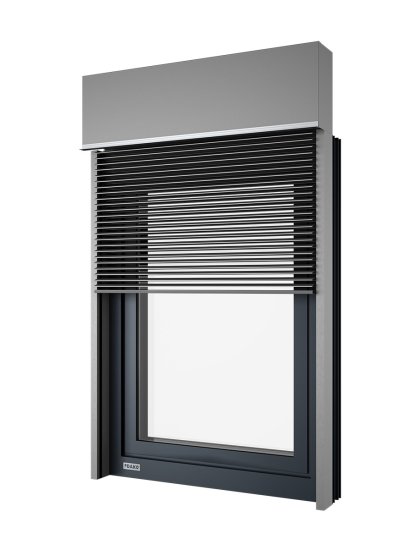


What Are Photovoltaic Windows?
Photovoltaic windows are a modern solution that combines the functions of traditional windows with solar panel technology. Unlike classic panels mounted on roofs or building facades, photovoltaic windows use special coatings or thin-film photovoltaic cells embedded within the window’s structure. This means that, despite their transparency, these windows can convert sunlight into electricity, thereby powering the buildings where they are installed.
This technology, while relatively new, is gaining popularity due to its innovation and the ability to use windows as active surfaces for energy production. Various types of photovoltaic windows are available on the market, ranging from fully transparent to partially opaque, which can be tailored to individual user needs.
How Does Photovoltaic Technology Work in Windows?
The operation of photovoltaic windows is based on principles similar to traditional solar panels. These windows incorporate thin-film photovoltaic cells that can capture sunlight and convert it into electricity. Modern solutions enable the use of transparent cells that do not interfere with the function of windows as sources of daylight.
The main components of photovoltaic windows include a light-conducting layer, a photovoltaic coating, and an integrated system for energy storage and transmission. Depending on the technology used, the efficiency of photovoltaic windows may vary. However, even with slightly lower efficiency compared to conventional panels, the ability to install them over large window surfaces offers significant energy advantages.
Applications of Photovoltaic Windows in Construction
The use of photovoltaic windows is particularly beneficial in modern construction, where there is a growing demand for eco-friendly and energy-efficient solutions. These windows can be used in both residential and commercial buildings, offering a wide range of benefits for property owners and occupants.
In office buildings and skyscrapers, photovoltaic windows allow for the effective use of large facade surfaces, which are typically reserved only for glazing. In residential buildings, they help reduce electricity bills, which over time can lead to significant savings.
Environmental and Economic Benefits of Photovoltaic Windows
Photovoltaic windows provide an excellent solution in terms of environmental protection and reducing energy consumption from traditional sources. By generating electricity directly from sunlight, these windows help reduce greenhouse gas emissions and minimize the consumption of fossil fuels.
From an economic perspective, investing in photovoltaic windows can pay off within a few years. While the initial cost of purchasing and installing them is higher than standard windows, savings on electricity bills and potential government incentives or ecological subsidies make this a cost-effective solution in the long run.
Installation and Costs of Photovoltaic Windows
The installation process for photovoltaic windows is more complex than that of traditional windows. It requires not only precise mounting but also integration with the building’s electrical systems. However, it’s worth noting that most manufacturers offer full technical support, minimizing the risk of errors. Installation costs vary depending on the size and type of windows, as well as the region where the investment is being made. Nevertheless, given the long-term benefits, many investors are opting for this solution, seeing it not only as an eco-friendly choice but also as an economically viable one.
Trends and Innovations in Photovoltaic Window Technology
The market for photovoltaic windows is evolving rapidly, with manufacturers constantly introducing new technologies and solutions aimed at increasing energy efficiency. Modern windows can be integrated with intelligent energy management systems within buildings, allowing for optimized energy use and better adaptation to weather conditions.
The trend towards smart buildings and cities is driving the adoption of photovoltaic window technology. As governments and organizations push for greener construction practices, photovoltaic windows are likely to play an essential role in meeting sustainability goals.
Examples of Worldwide Applications
One of the most famous examples of the application of photovoltaic windows is the International Commerce Centre in Hong Kong. This skyscraper is equipped with modern windows that not only save energy but also generate electricity, making it one of the most eco-friendly buildings in the world. Other notable projects include residential developments in Europe and North America, where photovoltaic windows are helping reduce energy consumption and promote green living.
Challenges and the Future of Photovoltaic Window Technology
While photovoltaic window technology has many advantages, there are still challenges associated with its widespread adoption. The high cost of production and installation, as well as relatively lower efficiency compared to traditional solar panels, may be barriers for some investors.
However, as technology continues to advance, these challenges are expected to diminish, making photovoltaic windows more accessible and affordable for a wider range of applications. The future looks promising, with new materials and innovations on the horizon that will likely boost the efficiency and appeal of this technology.
FAQ
- Are photovoltaic windows more expensive than traditional windows?
Yes, the initial cost is higher, but long-term savings on energy bills and potential incentives can offset the expense.
- How efficient are photovoltaic windows?
Efficiency varies by technology, but while they may be less efficient than traditional solar panels, their large surface area can make up for it.
- Are photovoltaic windows completely transparent?
Some are fully transparent, while others may have varying degrees of opacity, depending on the design and function.
- Can photovoltaic windows be installed in any climate?
Yes, but their efficiency may vary based on sunlight exposure. In regions with less sun, additional energy sources may be necessary.
- What are the benefits of using photovoltaic windows?
They reduce electricity costs, lower carbon emissions, and contribute to sustainable building practices.