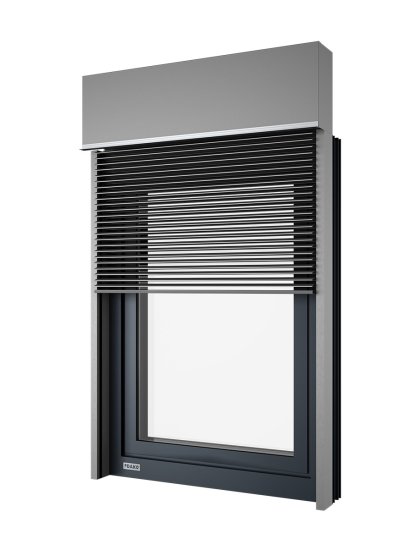


Introduction: Why Energy Efficiency Matters in Wisconsin
Wisconsin’s climate is characterized by freezing winters and warm, humid summers, making energy efficiency a critical factor in home design. Poorly insulated windows can lead to significant heat loss in winter and excessive heat gain in summer, driving up energy costs and reducing indoor comfort.
Energy-efficient windows are designed to address these challenges, providing superior insulation and minimizing energy loss. They are not just an investment in comfort but also a way to reduce utility expenses and promote environmental sustainability.
How Windows Influence Energy Efficiency
Heat Transfer and Thermal Performance
Windows can lose or gain heat through conduction, convection, and radiation. Without proper insulation, these processes lead to higher heating and cooling costs. Modern windows are engineered to minimize heat transfer, keeping indoor temperatures stable regardless of external conditions.
Preventing Air Leakage
Air leakage is a common issue with older windows, allowing drafts to enter and conditioned air to escape. High-quality seals and frames ensure airtight construction, preventing energy waste.
Key Features of Energy-Efficient Windows
- Double- and Triple-Pane Glass
Windows with multiple panes create insulating layers that reduce heat transfer. Triple-pane glass is especially effective in Wisconsin’s cold winters, providing superior thermal performance.
- Low-E Glass Coatings
Low-emissivity (Low-E) coatings reflect heat back into the home during winter and block harmful UV rays in summer. This reduces the need for artificial heating and cooling, enhancing energy efficiency.
- Gas Fills for Insulation
Argon or krypton gas is often used between window panes to improve insulation. These inert gases reduce heat conduction, making windows more energy-efficient.
Choosing the Best Window Frame Material
Advantages of PVC Frames
PVC (polyvinyl chloride) frames are an excellent choice for energy efficiency. They offer:
- Superior Insulation: PVC frames reduce heat transfer, keeping indoor temperatures consistent.
- Moisture Resistance: Unlike wood, PVC does not warp or rot in Wisconsin’s humid summers.
- Low Maintenance: PVC frames require minimal upkeep, making them a cost-effective option.
Comparing PVC to Wood and Aluminum
- Wood: While visually appealing, wood requires regular maintenance and can be less energy-efficient over time.
- Aluminum: Strong but a poor insulator, aluminum frames often result in higher heat loss compared to PVC.
Window Styles and Energy Performance
Casement Windows for Airtight Sealing
Casement windows are hinged on the side and open outward, creating a tight seal when closed. This design makes them highly energy-efficient.
Picture Windows for Minimal Heat Loss
Fixed picture windows do not open, eliminating potential air leaks. They are ideal for areas where ventilation is not a priority but natural light is desired.
Awning and Hopper Windows for Ventilation
These windows open outward or inward, providing controlled ventilation without compromising energy efficiency.
Long-Term Benefits of Energy-Efficient Windows
- Lower Utility Bills - Energy-efficient windows reduce the need for heating and cooling, leading to significant savings on energy bills.
- Reduced Carbon Footprint - By minimizing energy consumption, these windows contribute to a more sustainable home and help reduce greenhouse gas emissions.
- Increased Property Value - Homes with energy-efficient features, such as advanced windows, are more appealing to buyers, often commanding higher resale values.
Conclusion: Making the Right Choice for Wisconsin Homes
Windows play a critical role in the energy efficiency of Wisconsin homes. By investing in high-quality, energy-efficient windows with features such as Low-E glass, triple glazing, and PVC frames, homeowners can enjoy year-round comfort, lower utility bills, and a reduced environmental impact. Whether you’re replacing old windows or choosing new ones, prioritizing energy efficiency is a smart and sustainable decision.
FAQ Section
1. What type of windows is best for Wisconsin’s climate?
Triple-pane windows with Low-E glass and PVC frames are ideal for Wisconsin’s cold winters and humid summers.
2. Are energy-efficient windows worth the cost?
Yes, they reduce energy bills, enhance comfort, and increase property value, offering long-term savings.
3. What is the lifespan of energy-efficient windows?
High-quality windows can last 20–30 years with proper maintenance.
4. Can energy-efficient windows reduce noise?
Yes, multi-pane windows with gas fills also provide soundproofing benefits.