

Understanding Passive Home Standards and Window Requirements
Passive homes are built to maintain a nearly constant indoor temperature without relying heavily on heating or air conditioning. To achieve this, every component of the home, including windows, must meet strict performance standards, particularly in terms of thermal insulation and airtightness.
Key Requirements for Windows in Passive Homes
- High Thermal Insulation: Windows must have a low U-value (typically under 0.15 W/(m²K)) to reduce heat transfer.
- Airtightness: Properly installed windows prevent air leaks, maintaining the home’s energy efficiency.
- Optimal Solar Heat Gain Coefficient (SHGC): The ideal SHGC varies by region; in colder climates, a higher SHGC is beneficial to maximize heat gain from sunlight, while in warmer areas, a lower SHGC helps reduce overheating.
- Quality Frames and Glazing: Triple-pane windows and insulated frames are often standard in passive home designs.
Selecting Windows for Different Climate Zones in the USA
The United States has a diverse climate range, from the hot, humid South to the cold, snowy North. Each region’s climate influences the choice of windows to meet passive home requirements effectively.
- Cold Climates (e.g., Northern States): Opt for windows with high SHGC to allow passive solar heating during colder months. Look for triple-pane glass with gas fill (often argon or krypton) and low-emissivity (Low-E) coatings to maximize insulation and reduce heat loss.
- Hot Climates (e.g., Southern States): Windows with a low SHGC help limit solar heat gain, reducing the need for air conditioning. Dual-pane windows with high-performance Low-E coatings are typically sufficient for insulation, though triple-pane may be used for added efficiency.
- Mixed Climates (e.g., Midwest and Coastal Regions): A balance of moderate U-value and SHGC is optimal. Windows with adjustable or dynamic glazing, which change their properties based on sunlight exposure, can also provide flexibility across seasons.
Types of Windows Suitable for Passive Homes
Windows for passive homes are specialized to maximize energy efficiency while ensuring comfort and durability. Here are a few types commonly recommended:
- Triple-Pane Windows: These provide excellent insulation, reduce noise, and minimize heat transfer.
- Insulated Frames: Frames made of materials like fiberglass or vinyl with foam insulation offer superior energy performance compared to traditional wood or aluminum frames.
- Low-E Coatings: Low-E glass has a thin metallic coating that reflects infrared heat while allowing natural light. Choose a Low-E coating based on your regional climate and the home’s orientation.
- Gas-Filled Glass Units: Argon or krypton gas between glass panes enhances insulation by reducing heat transfer.
Installation Best Practices for Windows in Passive Homes
The installation process significantly impacts window performance, particularly regarding airtightness and thermal efficiency. Passive homes rely on precise installation to prevent air leaks and ensure thermal insulation around the entire window assembly.
Steps to Ensure Proper Installation
- Use High-Quality Insulating Materials: Apply insulating foam around the window frame to seal gaps and use weather-resistant tapes or membranes to further protect against air leaks.
- Air and Vapor Barriers: Proper placement of air and vapor barriers prevents moisture buildup, which can compromise insulation and lead to structural damage. In passive homes, these barriers are crucial for maintaining a controlled environment.
- Thermal Bridging Prevention: Install thermal breaks around the frame to prevent thermal bridging, where heat transfers through materials and creates cold spots.
- Precision in Airtight Sealing: Avoid gaps around the frame and ensure an airtight seal to keep external temperatures from affecting the indoor climate. This involves meticulous sealing at every joint, corner, and edge.
Orientation and Placement of Windows
Window orientation and placement are strategic in passive homes to optimize energy savings. The home’s layout and window orientation help harness natural sunlight and reduce heating or cooling demands.
- South-Facing Windows: In colder regions, south-facing windows capture maximum sunlight, providing natural heating during winter. Ensure adequate shading (like overhangs or shades) to prevent overheating during summer.
- North-Facing Windows: Minimize windows on the north side in colder climates, as these areas receive less direct sunlight and are more prone to heat loss.
- East and West Windows: East- and west-facing windows can cause overheating in the summer; consider minimizing these or using dynamic glazing to control solar gain.
The Role of Shading and Solar Control
Passive homes rely on both passive and active shading techniques to manage solar gain and avoid overheating. Implementing shading solutions such as:
- Fixed Overhangs: Overhangs or roof extensions above south-facing windows block direct sunlight during the high summer months while allowing winter sunlight to enter.
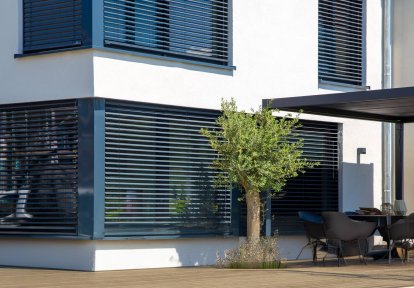
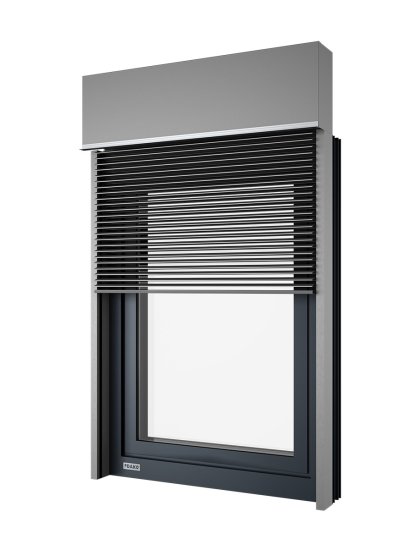
- Exterior Blinds or Shutters: Adjustable blinds or shutters provide flexible shading control, enabling occupants to adapt to seasonal changes in sunlight.
- Solar Control Glazing: Dynamic or solar control glazing allows you to adjust light and heat levels based on outdoor conditions, making it ideal for regions with varying temperatures.
Maintaining and Inspecting Windows for Long-Term Efficiency
Once installed, passive home windows require periodic maintenance to ensure they perform optimally. Regular inspections help identify and address any issues with airtightness or insulation that could affect energy efficiency.
- Check Seals and Weatherstripping: Inspect the seals and weatherstripping around windows every few years to ensure there are no leaks or drafts.
- Clean Low-E Coatings Carefully: Clean Low-E glass with non-abrasive solutions to maintain its reflective properties, essential for optimal energy performance.
- Monitor Condensation: If condensation forms between panes, it could indicate a failure in the window seal, which reduces insulation and requires professional repair or replacement.
Conclusion
Installing windows in passive homes across the USA is an investment in sustainable living, energy efficiency, and comfort. Selecting windows based on regional climate, focusing on high-quality materials, and following best installation practices are essential for achieving passive home standards. With the right choices in materials, orientation, shading, and maintenance, homeowners can enhance the performance of their passive homes, ensuring lasting benefits in energy savings and environmental impact.
FAQ
- What makes windows in passive homes different from standard windows?
Windows in passive homes are designed to meet strict energy efficiency standards. They have high thermal insulation (low U-value), airtight seals, and often include triple-pane glass with Low-E coatings and gas fills. These features help minimize heat transfer and maximize the home’s energy performance. - Are triple-pane windows necessary for passive homes?
Yes, triple-pane windows are highly recommended for passive homes, especially in colder climates. They provide superior insulation, reduce heat transfer, and improve indoor comfort by minimizing drafts and temperature fluctuations. - How do I choose the right windows for my climate zone in the USA?
In colder climates, select windows with a higher Solar Heat Gain Coefficient (SHGC) to take advantage of natural heating from sunlight. In warmer regions, opt for windows with a lower SHGC to reduce overheating. For mixed climates, consider windows with moderate U-values and possibly dynamic glazing. - What role does window orientation play in passive homes?
Window orientation is essential for energy efficiency in passive homes. South-facing windows capture sunlight for natural heating in winter, while north-facing windows should be minimized to prevent heat loss. East and west windows benefit from shading solutions to control solar gain. - How can I ensure my windows are installed airtight?
Airtight installation involves using high-quality insulation materials, weather-resistant tapes, and precise sealing around the frame. Ensuring no gaps between the window and frame prevents air leaks, which are crucial for maintaining a passive home’s energy efficiency. - Is regular maintenance necessary for passive home windows?
Yes, passive home windows should be inspected and maintained to ensure optimal performance. Checking seals, cleaning Low-E coatings with non-abrasive solutions, and monitoring for condensation will keep the windows in excellent condition and prolong their lifespan.
Tags: installing windows in passive homes USA, passive house windows guide, energy-efficient windows USA, triple-pane windows installation, low-e windows passive homes, airtight window installation USA, thermal insulation windows, passive homes energy standards, sustainable home windows, solar heat gain control windows, climate-specific window solutions, passive house design USA, eco-friendly windows installation, maintaining passive house windows, advanced window technologies USA