

What You Need to Know About the Nonbusiness Energy Property Credit Program
If you make qualified energy-efficient improvements to your home after January 1, 2023, you may qualify for a tax credit of up to $3,200. You can claim the credit for improvements made through 2032.
For improvements installed in 2022 or earlier: Use previous versions of Form 5695.
Beginning January 1, 2023, the credit equals 30% of certain qualified expenses, including:
- Qualified energy efficiency improvements installed during the year
- Residential energy property expenses
- Home energy audits
- Annual Credit Limits
There are annual limits on the allowable credit and on the amount of credit for certain types of qualified expenses:
- $1,200 for energy property costs and certain energy-efficient home improvements, with limits on doors ($250 per door and $500 total), windows ($600), and home energy audits ($150)
- $2,000 per year for qualified heat pumps, biomass stoves, or biomass boilers
Eligibility Requirements
To qualify for the credit, improvements must be made to your main home, which is located in the United States and is an existing home, not a new home. In most cases, the home must be your primary residence (where you live the majority of the year).
Business Use of Home:
If you use the property solely for business purposes, you can't claim the credit. If you use your home partly for business, the credit is available based on the proportion of nonbusiness use.
Qualified Expenses and Credit Limits
To qualify, home improvements must meet energy efficiency standards. They must be new systems and materials, not used. Some improvements have specific credit limits:
Home Energy Audits
A home energy audit may qualify for a tax credit of up to $150. To qualify, the audit must:
- Include a written report and inspection identifying the most significant and cost-effective energy efficiency improvements
- Be conducted and prepared by a certified home energy auditor
- Residential Energy Property
Qualified residential energy property includes new:
- Central air conditioners
- Natural gas, propane, or oil water heaters
- Natural gas, propane, or oil furnaces and hot water boilers
- Heat Pumps and Biomass Stoves and Boilers
- Heat pumps and biomass stoves and boilers with a thermal efficiency rating of at least 75% qualify for a credit of up to $2,000 per year. Costs may include labor for installation.
Home Energy Audits
To claim the credit, file Form 5695, Residential Energy Credits Part II, with your tax return. You must claim the credit for the tax year when the property is installed, not merely purchased.
Conclusion
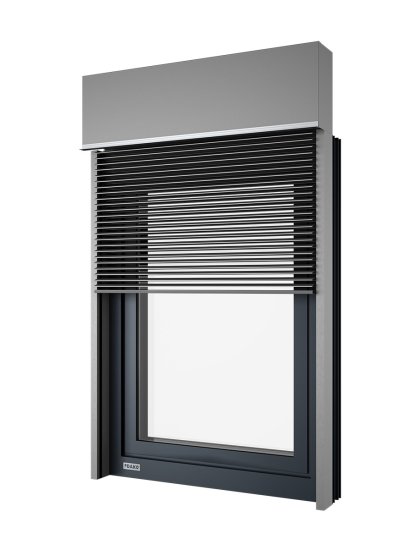
By offering their energy-efficient windows, DAKO not only helps customers improve the energy efficiency of their homes but also allows them to take advantage of attractive tax credits available under the Nonbusiness Energy Property Credit program. By meeting high energy efficiency standards, DAKO windows are an ideal solution for homeowners in the USA looking to reduce their energy bills and gain tax benefits.
Tags: Energy-efficient windows, Tax credit, Nonbusiness Energy Property Credit, Home improvement, DAKO windows