

Why Window Material Matters
Choosing the right window material is far more than just a cosmetic decision. The material directly impacts a range of functional aspects, from thermal insulation to durability, and even how the window contributes to the overall value of the property. Window material influences:
- Energy Efficiency: Different materials provide varying levels of thermal insulation, which affects heating and cooling costs.
- Durability: The longevity and resilience of a window against environmental factors such as UV rays, temperature changes, and physical damage.
- Maintenance: Some materials require more upkeep than others to remain in good condition.
- Aesthetic Appeal: The material of a window influences its appearance and how well it integrates with your design.
Understanding these factors helps to clarify the decision-making process when choosing between vinyl vs. aluminum windows, each offering its own benefits for specific conditions.
Advantages of Vinyl Windows
Vinyl windows have gained immense popularity due to their affordability, versatility, and energy efficiency. Made primarily from PVC (polyvinyl chloride), these windows are known for their resistance to both moisture and UV rays, making them a reliable choice for a wide range of climates. Here are some key advantages:
- Affordability: Vinyl windows are typically more cost-effective compared to other materials like aluminum or wood. Their relatively lower price point makes them an attractive option for large projects or for homeowners looking for budget-friendly solutions.
- Energy Efficiency: Vinyl windows are excellent insulators, helping to keep indoor temperatures stable. This results in reduced heating and cooling costs, especially in climates with extreme temperatures. The multi-chambered frames of vinyl windows trap air, adding to their insulating properties.
- Moisture and Corrosion Resistance: Unlike metal frames, vinyl is resistant to corrosion and will not rust. This makes vinyl windows particularly suitable for humid or coastal areas where exposure to moisture is a concern.
- Low Maintenance: Vinyl windows do not require painting or staining, unlike wooden windows. Occasional cleaning is usually all that's needed to maintain their appearance and functionality.
- Design Versatility: Available in a wide variety of colors and finishes, vinyl windows can be customized to suit various architectural styles, from traditional to modern.
- Noise Reduction: The insulating properties of vinyl windows also extend to soundproofing, making them a good choice for homes or buildings located in noisy environments.
However, while vinyl windows offer many benefits, there are some limitations to consider. For example, extreme temperature fluctuations can sometimes cause the vinyl to expand and contract, potentially leading to warping over time.
Benefits of Aluminum Windows
Aluminum windows have long been a favorite among architects and builders for their sleek, modern look and superior durability. Made from lightweight yet strong aluminum, these windows can support large panes of glass, offering unobstructed views and a minimalist appearance. Here are the key benefits:
- Strength and Durability: One of the main reasons why aluminum is preferred in many commercial and contemporary residential projects is its strength. Aluminum can support large windows without the need for thick frames, making it possible to achieve expansive glass surfaces that maximize natural light and views.
- Longevity: Aluminum windows are highly resistant to weathering and do not warp or crack with temperature changes. They can withstand extreme weather conditions, from intense heat to freezing cold, without deteriorating.
- Aesthetic Appeal: The sleek, slim frames of aluminum windows offer a modern, minimalist look that complements contemporary architecture. They also come in a variety of finishes, including anodized or powder-coated options that are both durable and customizable.
- Low Maintenance: Like vinyl, aluminum windows require minimal maintenance. They do not rust or corrode, even in harsh weather conditions, and they retain their aesthetic appeal with little more than periodic cleaning.
- Recyclability: Aluminum is 100% recyclable, making it an environmentally friendly option for those concerned about sustainability.
Despite these advantages, aluminum windows have some drawbacks. For instance, they are not as thermally efficient as vinyl windows. Without proper thermal breaks, aluminum can conduct heat and cold, which can increase energy costs in extreme climates. Advances in window technology have addressed this issue with the introduction of thermal breaks in aluminum frames, but the overall energy efficiency of aluminum windows still tends to lag that of vinyl windows.
Comparing Durability: Vinyl vs. Aluminum
When it comes to durability, both materials have strengths and weaknesses depending on the conditions they are exposed to. Aluminum windows are renowned for their strength and resistance to physical impact, making them ideal for larger installations and areas prone to high winds or storms. However, aluminum can be susceptible to corrosion in coastal environments, unless properly treated.
Vinyl windows, on the other hand, are highly resistant to corrosion and will not rust, making them a better option for areas with high humidity. While they may not be as strong as aluminum in terms of structural support, vinyl frames have improved in durability over the years. They are now reinforced with additional materials to provide increased stability and resistance to warping.
Key Takeaway:
- For projects in coastal or highly humid areas, vinyl windows may be a better choice due to their resistance to moisture and corrosion.
- In areas with extreme weather conditions or where large window sizes are needed, aluminum windows might be the more durable option due to their strength and structural integrity.
Energy Efficiency: Which Material Performs Better?
Energy efficiency is a critical factor in choosing windows, as it directly impacts heating and cooling costs. In this comparison, vinyl windows typically outperform aluminum windows due to the natural insulating properties of PVC. Vinyl windows help reduce heat transfer, keeping indoor temperatures stable throughout the year.
Aluminum windows, by contrast, can conduct heat and cold unless they are equipped with thermal breaks, which are insulating barriers placed within the frame to reduce heat flow. Even with these thermal breaks, vinyl windows still tend to offer better insulation, particularly in colder climates.
Conclusion on Energy Efficiency:
- Vinyl windows are more energy-efficient, making them the preferred choice for homes or buildings where reducing energy costs is a priority.
- Aluminum windows can be energy-efficient when equipped with thermal breaks, but they may still allow more heat transfer compared to vinyl.
Cost Considerations
Cost is often a determining factor for many homeowners and builders. Generally, vinyl windows are more affordable than aluminum windows, both in terms of upfront costs and installation. Aluminum windows tend to be more expensive due to the material’s higher strength and the additional cost of thermal breaks for improved energy efficiency.
Additionally, the maintenance costs for both materials are low, but vinyl windows may edge out aluminum in terms of long-term affordability due to their superior insulation properties, which can lead to lower energy bills.
Final Thoughts on Cost:
- For budget-conscious projects, vinyl windows offer a more cost-effective solution without compromising on energy efficiency or durability.
- Aluminum windows are more expensive upfront but may be worth the investment in commercial or high-end residential projects where aesthetics and strength are paramount.
Aesthetic Appeal and Design Flexibility
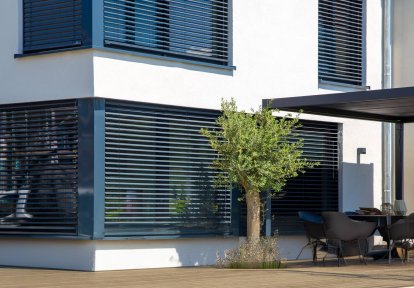
Aesthetics play an essential role in window selection, especially for projects that prioritize modern, sleek designs. Aluminum windows are often favored in contemporary architecture because of their slim profiles and ability to accommodate larger glass panes. The minimalist design of aluminum frames provides a clean, modern look that complements large, open spaces.
Vinyl windows, while available in a variety of colors and finishes, tend to have thicker frames, which can be less appealing for projects that require a minimalist aesthetic. However, vinyl can be designed to mimic other materials, such as wood, providing flexibility for both modern and traditional design styles.
Aesthetic Conclusion:
- Aluminum windows are ideal for projects that prioritize sleek, modern designs and large glass surfaces.
- Vinyl windows offer more traditional styles and can be customized to fit various design aesthetics, but may lack the ultra-slim profile of aluminum.
Maintenance Requirements
Both vinyl and aluminum windows are known for their low-maintenance properties. However, vinyl windows are generally easier to maintain since they do not require painting or refinishing over time. Occasional cleaning is enough to keep them looking new.
Aluminum windows, though also low-maintenance, may require some attention to prevent corrosion in areas with high moisture or salt exposure. Powder-coated aluminum frames are particularly resistant to corrosion, but regular inspections are recommended in coastal areas.
Maintenance Conclusion:
- Vinyl windows are virtually maintenance-free, requiring only occasional cleaning.
- Aluminum windows are also low-maintenance but may require additional care in humid or coastal environments to prevent corrosion.
Weather Resistance
The ability of windows to withstand different weather conditions is a crucial factor in the decision-making process. Vinyl windows perform well in most climates but may become less stable in extreme heat or cold, which can cause them to expand or contract slightly. Advances in vinyl technology have mitigated these issues, but it remains a consideration in areas with significant temperature fluctuations.
Aluminum windows are much more resistant to weather changes. They can endure extreme heat without warping or cracking, making them an excellent choice for hotter climates. However, without thermal breaks, aluminum windows may conduct heat more easily, affecting indoor temperature control.
Weather Resistance Conclusion:
- Vinyl windows are a good all-around option but may not be ideal for extremely hot or cold climates.
- Aluminum windows are more weather-resistant, especially in high-temperature regions, but may need thermal breaks for better insulation.
Which Window Type is Right for You?
In conclusion, the choice between vinyl vs. aluminum windows depends on the specific needs of your project. For projects where energy efficiency, affordability, and low maintenance are key priorities, vinyl windows are an excellent choice. They provide a cost-effective, durable, and insulating solution that works well in most climates.
On the other hand, aluminum windows are the go-to option for modern, minimalist designs that require strong, durable frames capable of supporting large glass panes. While they may come with a higher price tag and lower energy efficiency, the sleek design and durability of aluminum make them ideal for commercial projects or high-end residential buildings.
Key Takeaways:
- Vinyl windows excel in energy efficiency, cost, and versatility.
- Aluminum windows offer superior strength, modern aesthetics, and durability for larger installations.
Both window types have their merits, and the best choice will ultimately depend on your project’s specific needs and priorities.
FAQ – Choosing the Right Windows for Your Next Project
- What is the main difference between vinyl and aluminum windows?
Vinyl windows are more affordable and energy-efficient, while aluminum windows are stronger and more durable, ideal for larger installations and modern designs. - Which material is better for energy efficiency: vinyl or aluminum?
Vinyl windows typically offer better energy efficiency due to their superior insulating properties. Aluminum windows can be efficient when equipped with thermal breaks, but vinyl remains the better choice for reducing heat transfer. - Are aluminum windows more expensive than vinyl windows?
Yes, aluminum windows are generally more expensive upfront compared to vinyl windows, but they offer a sleek design and increased durability that can justify the higher price for certain projects. - How long do vinyl and aluminum windows last?
Both materials can last several decades with proper care. Vinyl windows typically last 20-30 years, while aluminum windows can last even longer due to their resistance to physical damage and weathering. - Can vinyl windows withstand extreme weather conditions?
Vinyl windows perform well in most climates but may experience slight expansion or contraction in extreme heat or cold. However, advancements in vinyl technology have improved their durability in such conditions. - Do aluminum windows require a lot of maintenance?
No, aluminum windows are low maintenance and resistant to corrosion, especially if they are powder-coated. However, in coastal areas, some additional care may be needed to prevent corrosion. - Which window material is better for coastal environments?
Vinyl windows are generally better for humid or coastal areas because they are resistant to corrosion and do not rust. Aluminum windows can work in coastal areas but need proper coatings to prevent corrosion. - Can vinyl windows be painted or customized?
Vinyl windows come in a variety of colors and finishes but are not typically painted after installation. They can, however, be customized during production to suit various styles. - Are aluminum windows recyclable?
Yes, aluminum is 100% recyclable, making it a more environmentally friendly option for those concerned about sustainability. - Which window material is better for larger window installations?
Aluminum is stronger than vinyl, making it the better choice for large windows or designs that require thin, sleek frames to support bigger glass panes.
Tags: Vinyl vs Aluminum Windows, Window Material Comparison, Best Windows for Projects, Energy Efficient Windows, Vinyl Window Benefits, Aluminum Window Benefits, Window Durability, Choosing Windows for Homes, Vinyl vs Aluminum Pros and Cons, Modern Window Designs, Affordable Windows, Window Maintenance Tips, Weather Resistant Windows, Commercial Windows, Residential Window Options, Energy Efficiency in Windows, Sustainable Windows, Coastal Windows, Best Windows for Insulation, Window Installation Guide