

Understanding Key Window Performance Indicators: U-Value and SHGC
When selecting windows for a sun-drenched home, two critical technical indicators should be considered: U-Value and Solar Heat Gain Coefficient (SHGC).
U-Value
The U-Value measures how well a window prevents heat from escaping. The lower the U-Value, the better the window's insulation capabilities. For homes in hot climates, windows with a low U-Value help keep the cool air inside and the hot air outside, reducing the need for excessive air conditioning.
Solar Heat Gain Coefficient (SHGC)
SHGC measures the fraction of solar radiation admitted through a window, either transmitted directly or absorbed and subsequently released as heat inside. A lower SHGC means less solar heat is entering the home, which is particularly important in sun-drenched regions where overheating is a concern.
For homes in areas with intense sunlight, windows with a low SHGC and a low U-Value are ideal, as they help maintain a cool indoor environment while reducing energy consumption.
The Role of Low-E Coating: Enhancing Window Efficiency
Low-E (low emissivity) coatings are a crucial technology in modern windows, especially for homes in regions with high sunlight exposure. These coatings consist of a thin, virtually invisible layer of metallic oxides applied to the glass surface. This layer reflects heat while allowing light to pass through, improving energy efficiency without compromising on natural light.
Benefits of Low-E Coating
- Reduced Heat Transfer
Low-E coatings minimize the amount of infrared and ultraviolet light that can pass through the glass, without affecting the visible light. This helps keep interiors cool during hot weather.
- Protection Against UV Rays
By blocking up to 99% of UV rays, Low-E coatings protect your furniture, flooring, and other interior elements from fading and damage.
- Energy Savings
Windows with Low-E coatings reduce the load on air conditioning systems, leading to lower energy bills.
For homes in sunny regions, investing in windows with Low-E coatings is essential for both comfort and energy efficiency.
Reflective Glass: An Effective Solution for Sun-Drenched Homes
Reflective glass is another excellent option for homes located in sun-drenched areas. This type of glass has a metallic layer that reflects a significant portion of the sun's rays, reducing the amount of heat that enters the home.
Advantages of Reflective Glass
- Heat Reduction: Reflective glass significantly reduces solar heat gain, keeping interiors cooler and more comfortable.
- Glare Control: This type of glass helps in minimizing glare, making it easier to enjoy natural light without the discomfort of intense brightness.
- Privacy: Reflective glass provides an added level of privacy, as it is more difficult to see through from the outside during daylight hours.
Reflective glass is an ideal choice for windows in homes with large, sun-exposed facades, as it helps maintain a cooler indoor environment while providing additional privacy.
Window Frame Materials: What Works Best in Sunny Climates?
The material of the window frame plays a significant role in the overall performance and durability of the window, especially in areas with high sun exposure. Here’s a look at the most common materials used for window frames and their suitability for sunny climates:
PVC (Vinyl)
PVC window frames are a popular choice due to their excellent insulation properties and durability. Vinyl does not conduct heat as much as aluminum, making it an ideal material for warm climates. PVC is also resistant to weather conditions and requires minimal maintenance.
Wood
Wooden frames offer excellent insulation and a classic aesthetic appeal. However, they require regular maintenance to protect them from the elements. In sunny climates, wood may be prone to warping or cracking if not properly treated, but it remains a visually appealing choice for many homeowners.
Aluminum
Aluminum is lightweight and highly durable but tends to conduct heat, which can be problematic in hot climates. However, modern aluminum frames often include thermal breaks—plastic sections that separate the interior and exterior aluminum parts—to improve insulation.
Composite
Composite frames combine the best features of various materials, offering excellent insulation and high durability. These frames are resistant to weathering and require little maintenance, making them ideal for homes in sun-drenched regions.
UV Protection: Why It Matters
UV radiation is one of the main causes of fading in furniture, flooring, and curtains. In regions with intense sunlight, UV protection is crucial to prevent the degradation of interiors. Windows equipped with UV filters can effectively block most of the harmful radiation, protecting your home’s interior. This is especially important in homes with valuable furniture or other items sensitive to sun damage.
Ventilation and Air Circulation: How Windows Impact Home Comfort
Proper air circulation is key to maintaining a comfortable home, particularly in warm climates. Windows that allow for effective airflow can significantly enhance indoor comfort, reducing the need for air conditioning.
Casement Windows
These windows offer maximum ventilation, allowing for a free flow of air. They are ideal for warm climates where natural cooling is a priority.
Tilt-and-Turn Windows
These windows provide controlled ventilation, allowing you to adjust the amount of fresh air entering the room. They are a good choice in locations where full window opening is not always feasible or desirable.
Integrated Ventilation Systems
Some modern windows come with built-in ventilation systems that allow for air circulation even when the windows are closed. These systems are particularly useful in sun-drenched regions, where it’s essential to balance heat protection with proper ventilation.
Aesthetics and Design: What Window Styles Work Best in Sunny Regions?
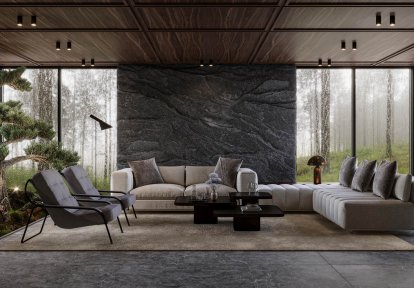
Choosing windows is not only about functionality but also about aesthetics. In regions with intense sunlight, certain window styles are particularly popular because they blend modern looks with practical benefits.
- Large Glazing
In contemporary homes, large windows are often used to maximize natural light. However, it’s important that these windows are equipped with technologies that limit heat gain and protect against UV radiation.
- Slim Frames
Modern windows with slim frames allow for larger glazing areas, adding a sense of lightness and modernity to the building. These frames should be made of materials with good insulation properties, such as composites or PVC.
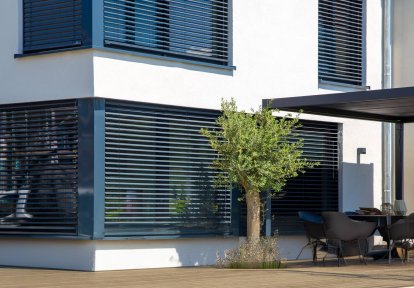
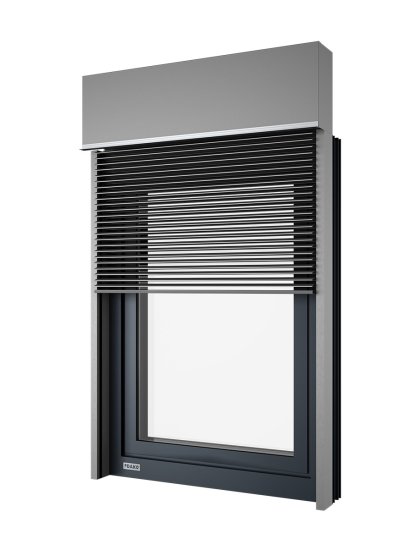
- Exterior Shutters and Blinds
In regions with intense sunlight, exterior shutters or blinds can serve not only as decorative elements but also as functional solutions that protect interiors from excessive heat and light.
Maintenance and Operating Costs: What You Need to Know
When choosing windows for a home in a sun-drenched region, it’s also important to consider the long-term costs associated with their use and maintenance.
Energy Costs
Windows with a low U-Value and SHGC can significantly reduce energy costs associated with air conditioning, offering long-term savings. Although these windows may be more expensive upfront, their energy efficiency makes them a worthwhile investment.
Maintenance
Materials like PVC and composites require minimal maintenance, reducing the overall cost of window upkeep. Choosing windows that are resistant to weather conditions is particularly important in regions where the sun and heat can cause materials to wear out faster.
Durability
High-quality windows, such as those offered by DAKO, are designed to last for many years without needing replacement. Investing in durable, weather-resistant windows is another way to save money in the long term.
DAKO – Polish Quality in American Conditions
DAKO, a leading Polish window manufacturer, has earned a strong reputation in the U.S. market for its high-quality products that perform well in various climatic conditions. DAKO windows are known for their modern design, energy efficiency, and durability, making them an ideal choice for homes in sun-drenched regions.
DAKO offers a wide range of products that meet the highest quality standards and can be tailored to the specific needs of customers. The product range includes windows with Low-E coatings, reflective glass, and frames made from various materials, such as PVC, aluminum, and composites. The company also provides professional consultation to help customers choose the best solutions for their homes.
Conclusion: How to Choose the Perfect Windows for a Sun-Drenched Home
Choosing the right windows for a home in a sun-drenched region is an investment that requires careful consideration of many factors. Key considerations include technical parameters such as U-Value and SHGC, the type of glazing, and the material of the window frames. It’s also important to pay attention to issues related to UV protection and effective ventilation.
DAKO offers a wide range of windows that meet the highest quality standards, providing comfort, energy efficiency, and durability in conditions of intense sunlight. By choosing DAKO windows, you can be confident that your home will be well-protected from the sun while enjoying modern design and long-lasting products.
FAQ
- What are the best windows for homes in warm climates?
The best choice is windows with Low-E coatings, a low SHGC, and frames made from materials with good insulation properties, such as PVC or composites.
- Is it worth investing in Low-E coated windows?
Yes, Low-E coatings help reflect heat back outside, significantly reducing indoor temperatures and lowering the need for air conditioning.
- What is SHGC, and why is it important?
SHGC measures how much solar heat passes through a window. A lower SHGC means better protection against overheating.
- What window frame materials are best for hot climates?
PVC and composites are the best choices due to their excellent insulation properties and resistance to weather conditions.
- Are reflective windows a good option?
Yes, reflective glass helps reduce solar heat gain, keeping rooms cooler and more comfortable.
- Which windows provide the best ventilation?
Casement windows offer maximum ventilation, which is beneficial in warm climates.
- Are PVC windows durable?
Yes, PVC windows are durable, weather-resistant, and require minimal maintenance.
- What are the benefits of composite windows?
Composite windows combine the best features of various materials, offering excellent insulation and high durability.
- Is UV protection necessary?
Yes, UV protection is crucial to prevent furniture and other materials from fading inside the home.
- What are the advantages of DAKO windows?
DAKO windows are known for their high quality, modern design, and excellent technical performance, making them an ideal choice for homes in sun-drenched regions.
Hashtags: #WindowsForHotClimates #EnergyEfficientWindows #LowEWindows #SunProtection #HomeImprovement #DAKOWindows #SunDrenchedHomes #UVProtection #WindowTechnology #HomeRenovation