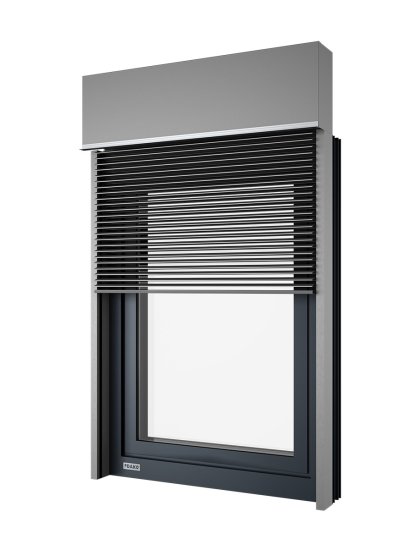


Why Humidity Matters in Washington State
Washington State's lush greenery and coastal beauty owe much to its high levels of precipitation and humidity. However, these conditions can be challenging for homeowners, especially when it comes to maintaining their windows.
Humidity affects windows in several ways, from encouraging condensation and mold growth to accelerating material deterioration. The right windows can mitigate these issues, providing comfort, durability, and energy efficiency. In this guide, we’ll explore how to choose windows that thrive in Washington’s unique climate.
Key Challenges of High Humidity for Windows
- Condensation and Mold Growth - In humid climates, condensation forms when warm, moist air contacts cooler window surfaces. Over time, this can lead to mold and mildew, posing health risks and requiring costly maintenance.
- Frame Deterioration - Traditional window materials like wood are prone to warping, swelling, and rot in high-humidity conditions. This not only affects their appearance but also their functionality and energy efficiency.
Choosing the Best Frame Materials for Humid Environments
The Advantages of PVC Frames
PVC (polyvinyl chloride) is the ideal frame material for high-humidity environments. Unlike wood, PVC is impervious to moisture, preventing warping, swelling, and rot. It also requires minimal maintenance, making it a cost-effective choice for Washington State homeowners.
Comparing PVC to Wood and Aluminum
- Wood: While visually appealing, wood frames are vulnerable to moisture damage and require regular sealing or painting.
- Aluminum: Though resistant to moisture, aluminum is a poor insulator and prone to condensation, which can exacerbate humidity issues.
- PVC: Combines durability, energy efficiency, and resistance to humidity, making it the superior choice for Washington’s climate.
Glass Technologies for High-Humidity Areas
Low-E Glass for Energy Efficiency
Low-emissivity (Low-E) glass helps regulate indoor temperatures by reflecting heat back into the home during winter and blocking solar heat in summer. This reduces energy consumption and minimizes the temperature differences that cause condensation.
Double- and Triple-Pane Windows for Insulation
Multi-pane windows with inert gas fillings, such as argon or krypton, provide excellent insulation, reducing condensation and enhancing energy efficiency.
Condensation-Resistant Coatings
Some windows come with special coatings designed to minimize surface condensation. These coatings improve visibility and reduce the likelihood of mold growth.
Weatherproofing Features for Humid Climates
- Airtight Seals and Weatherstripping - Windows with high-quality seals and weatherstripping prevent moisture from entering the home, maintaining indoor comfort and protecting against drafts.
- Proper Drainage Systems - Integrated drainage systems allow water to flow away from the window frame, preventing water accumulation and damage in high-rainfall areas.
Designing for Humidity: Customization and Style
Ventilation Options
Windows designed for humid climates often include ventilation features, such as tilt-and-turn or awning windows, which allow airflow without compromising weatherproofing.
Finishes Resistant to Moisture Damage
PVC frames are available in a variety of finishes, from traditional white to woodgrain textures, offering style options that won’t degrade in high humidity.
Maintenance Tips for Long-Lasting Windows in High Humidity
- Regular Cleaning: Prevent dirt and moisture buildup by cleaning window frames and glass regularly.
- Inspect Seals: Check for wear and tear on seals and weatherstripping to maintain airtightness.
- Address Condensation: Use dehumidifiers or improve ventilation to minimize indoor humidity levels.
- Avoid Harsh Chemicals: Clean frames with mild detergents to prevent damage to finishes.
Conclusion: The Right Windows for Washington State’s Climate
Selecting the best windows for high humidity in Washington State involves choosing materials and features that can withstand moisture while enhancing comfort and energy efficiency. PVC-framed windows with Low-E glass, multi-pane designs, and weatherproofing technologies are the ideal solution for homes in this damp climate. With the right windows, homeowners can enjoy the beauty of Washington’s environment without compromising on durability or comfort.
FAQ Section
1. What type of windows is best for high humidity?
PVC-framed windows with Low-E glass and double or triple glazing are the best choice for high-humidity environments.
2. How do I prevent condensation on my windows?
Choose windows with insulated glass and airtight seals, and use dehumidifiers to reduce indoor moisture levels.
3. Are wood windows suitable for humid climates?
Wood windows can be used in humid climates if regularly maintained, but PVC is a more durable and low-maintenance option.
4. How often should I inspect my windows in high-humidity areas?
Inspect windows every six months to check seals, frames, and drainage systems for signs of wear or damage.
5. What is the lifespan of PVC windows in humid climates?
PVC windows typically last 20–30 years, even in high-humidity environments, with minimal maintenance.
Tags: best windows for high humidity Washington State, humidity-resistant windows, PVC frames for humid climates, Low-E glass for high humidity, windows for wet environments, double-pane windows Washington State, triple-pane windows for humidity, condensation-resistant windows, energy-efficient windows Washington, weatherproof windows, window materials for high humidity, PVC vs wood vs aluminum windows, preventing condensation on windows, dehumidifier windows, awning windows for ventilation, moisture-resistant finishes, airtight window seals, high humidity window care, window maintenance tips, insulated windows Washington State, moisture-resistant window frames, custom windows for high humidity areas, windows for rainy climates, humidity-proof windows for homes, weather-resistant window technologies, choosing windows for damp climates, sustainable windows for humid areas