

Key Challenges of High-Humidity Climates
In areas like Louisiana, windows face unique demands due to constant exposure to moisture, high temperatures, and occasional storms. Homeowners must address these specific challenges to ensure windows perform well over time.
Primary Challenges in High-Humidity Climates
- Condensation: Moisture buildup on windows can lead to mold and mildew growth, damaging frames and impacting indoor air quality.
- Durability: High humidity accelerates wear on certain materials, especially wood, leading to potential warping or rotting.
- Thermal Insulation: Effective insulation is necessary to maintain a cool indoor environment despite external heat and humidity.
- UV Protection: Sunlight in humid regions can be intense, contributing to fading and degradation of window frames and treatments over time.
Best Window Materials for High-Humidity Conditions
Choosing the right window material is crucial in humid climates, as not all materials perform well under constant moisture exposure. Here are some of the most durable, moisture-resistant materials suitable for Louisiana’s conditions:
- PVC Windows: PVC is non-porous and highly resistant to moisture, making it an excellent choice for high-humidity regions. It requires minimal maintenance, doesn’t warp, and is available with insulated frames for added energy efficiency.
- Fiberglass Windows: Known for their durability, fiberglass windows can withstand moisture, temperature fluctuations, and UV exposure. Fiberglass doesn’t expand or contract significantly with temperature changes, making it less prone to air leaks.
- Aluminum Windows with Thermal Breaks: Aluminum is naturally moisture-resistant but prone to conducting heat. In humid climates, aluminum frames with thermal breaks can reduce heat transfer while offering high durability against moisture and corrosion.
- Composite Frames: Composite frames, made from a blend of materials like wood and resin, resist moisture better than traditional wood while providing a natural look. They are less likely to warp or rot and have good insulation properties.
Glass Options to Control Condensation and Maintain Comfort
The type of glass you choose impacts the window’s ability to control indoor temperature, reduce condensation, and maintain comfort despite high humidity levels outside.
- Double or Triple Glazing: Multi-pane windows create a barrier that improves insulation, reduces the risk of condensation, and helps maintain a stable indoor temperature, which is beneficial in humid conditions.
- Low-E Coatings: Low-emissivity (Low-E) coatings on glass reflect heat away, reducing heat gain and preventing excessive cooling costs. Low-E coatings also minimize the potential for condensation by keeping indoor glass surfaces at a warmer temperature.
- Tempered Glass: High humidity can lead to increased wear and tear on windows. Tempered glass, known for its strength, can be a durable choice for areas where heavy rain or strong storms occur, adding an extra level of safety.
Ventilation and Airtight Seals: Balancing Airflow and Moisture Control
Effective ventilation is crucial in humid climates to prevent moisture buildup. However, windows must also have airtight seals to maintain indoor comfort and energy efficiency.
Airtight Seals and Proper Ventilation
- Compression Seals: Compression seals on windows offer a more airtight closure than standard seals, which is essential for preventing humidity from penetrating the home. They reduce drafts and enhance insulation.
- Ventilation Options: Casement windows, awning windows, and sliding windows allow for controlled ventilation without compromising airtightness. Casement windows are excellent for directing airflow and can be tightly sealed when closed.
- Desiccant Spacers: Inside multi-pane windows, desiccant spacers absorb any trapped moisture, preventing condensation between panes and improving the longevity of the windows.
Impact of Window Orientation on Performance in Humid Climates
The direction in which windows face can also impact how they perform in Louisiana’s humid environment. Window orientation can influence temperature control, sunlight exposure, and ventilation.
- North-Facing Windows: North-facing windows receive less direct sunlight, reducing heat gain. They are less likely to suffer from UV damage, making them a good choice for consistent lighting without high temperatures.
- South-Facing Windows: South-facing windows can benefit from overhangs to reduce heat gain during the hottest part of the day. Low-E coatings on these windows are also beneficial for controlling temperature.
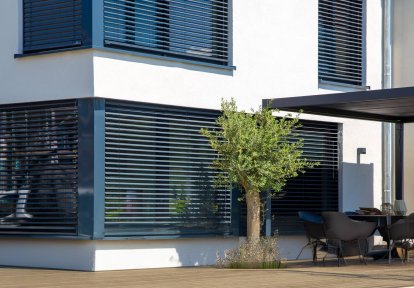
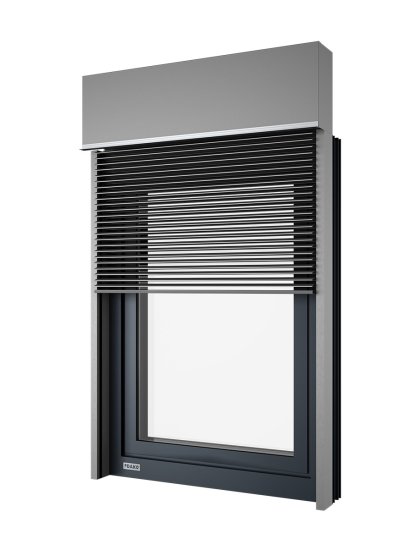
- East and West Windows: East- and west-facing windows often experience the most direct sunlight, which can increase humidity levels indoors. Shading solutions like exterior blinds or strategically placed trees can help control sunlight exposure.
Maintenance Tips for Windows in High-Humidity Areas
To ensure windows in high-humidity climates remain functional and visually appealing, regular maintenance is essential. Here are some best practices:
- Clean Frames and Glass Regularly: Use a mild, non-abrasive cleaner to prevent mold growth and maintain the clarity of glass and frames. Regular cleaning also helps to identify early signs of damage or wear.
- Inspect Seals and Weatherstripping: High humidity can deteriorate seals over time, leading to air leaks and moisture infiltration. Check seals and weatherstripping at least once a year and replace as needed.
- Prevent and Address Condensation: Condensation can lead to mold growth if left unchecked. Use dehumidifiers indoors to reduce moisture levels and ventilate rooms to prevent moisture buildup on window surfaces.
- Check for Warping or Corrosion: Even moisture-resistant materials can show signs of damage over time. Inspect frames, especially those with metal components, for any signs of rust or warping, and repair or replace damaged sections promptly.
Recommended Window Styles for High-Humidity Environments
Certain window styles perform better in humid climates, as they allow for ventilation without compromising on insulation or resistance to moisture.
- Casement Windows: Casement windows provide excellent airflow, as they can be opened fully and directed toward breezes. They seal tightly when closed, reducing the chance of air and moisture infiltration.
- Awning Windows: Awning windows are hinged at the top and open outward, allowing for ventilation even during light rain. Their design naturally prevents water from entering while providing fresh air.
- Sliding Windows: Sliding windows are easy to operate and provide effective sealing when closed. They are also low-maintenance and less prone to hardware corrosion due to fewer moving parts.
Conclusion
Choosing the best windows for high-humidity areas in Louisiana requires careful consideration of material durability, glass type, and installation quality. PVC and fiberglass frames, double or triple glazing with Low-E coatings, and airtight seals are all essential components for windows that can withstand Louisiana’s climate. With the right windows and regular maintenance, homeowners can ensure long-lasting performance, enhanced energy efficiency, and improved indoor comfort in their homes.
FAQ
- What type of window frames are best for high-humidity areas?
PVC and fiberglass frames are ideal for humid climates, as they resist moisture, warping, and rotting. Aluminum with thermal breaks is also effective for its durability against humidity and corrosion. - How can I prevent condensation on my windows in humid climates?
Use double or triple glazing with Low-E coatings to reduce indoor temperature differences and prevent condensation. Installing desiccant spacers can also help absorb moisture between panes. - Why are Low-E coatings recommended for high-humidity areas?
Low-E coatings reflect heat and help maintain a more stable indoor temperature, reducing the chance of condensation. They also minimize UV exposure, protecting window frames from fading. - Are there specific window styles that perform better in high humidity?
Yes, casement and awning windows are effective in humid climates, providing ventilation and tight sealing to prevent moisture infiltration. Sliding windows are also low-maintenance and efficient. - How often should I check my windows for maintenance in a humid environment?
Inspect your windows at least once a year, paying attention to seals, weatherstripping, and any signs of mold or condensation. Regular cleaning and prompt repairs ensure long-lasting performance.
Tags: best windows for high-humidity areas, high-humidity windows Louisiana, moisture-resistant windows, durable windows for humid climates, condensation-resistant windows, energy-efficient windows Louisiana, Low-E glass windows Louisiana, PVC windows for humidity, fiberglass windows for humid areas, storm-resistant windows Louisiana, airtight window seals humid climate, casement windows for humidity, window maintenance high humidity, humidity-proof window frames, Louisiana climate window solutions